New
Turn ordinary chats into extraordinary experiences! Experience Iera.ai Visit Now

TL;DR

  • Multi cloud data pipelines offer flexibility, redundancy, and cost optimization but add complexity in terms of orchestration, governance, and monitoring.
  • Key architectural layers include ingestion, storage, transformation, orchestration, observability, and governance.
  • Tools like DBT and Airflow are critical for managing transformations and orchestration in multi cloud environments.
  • The estimated monthly cost for a mid-size enterprise’s multi cloud pipeline can range from $30K to $50K, depending on data volume and infrastructure needs.
  • A 3-phase approach (Foundation, Transformation, and Reliability & Governance) is recommended for building a production-grade multi cloud pipeline.

Your Pipeline Just Failed. Again.

It’s 3 AM, and your phone just won’t stop buzzing. Your data pipeline has failed again! The root cause? A schema change in AWS that broke your GCP transformations, and your on-call engineer is debugging cross-cloud authentication while your CFO is emailing about why the data warehouse bill jumped 40% in this quarter.

Welcome to multi-cloud data engineering.

Here’s what the vendor case studies don’t tell you: Multi cloud data pipelines are exponentially harder than single-cloud, and the challenges aren’t just technical, but they’re organizational, financial, and operational.

But the numbers tell a compelling story. According to Gartner’s November 2024 forecast, 89% of enterprises have embraced multi-cloud strategies, and 90% of organizations will adopt hybrid cloud approaches through 2027. Public cloud spending hit $723.4 billion in 2025, which grew 21.5% year-over-year.

This guide provides a practical framework for building reliable, cost-effective multi cloud data pipelines, which are drawn from Innovatics’ implementations across finance, retail, manufacturing, and pharma. You’ll learn:

  • Why multi-cloud (and when single-cloud makes more sense)
  • The 6 architectural layers that matter
  • How DBT, Airflow, and cloud-native tools fit together
  • Real cost breakdown: $30-50K/month for mid-size enterprises
  • The 3-phase implementation sequence we use
  • Testing, observability, and governance at scale
  • Seven failures we’ve seen (and fixed)

Let’s cut through the vendor marketing and talk about what actually works.

Why Multi Cloud Data Pipelines Are Rising (And Why They’re Harder Than You Think)

Multi-cloud isn’t a technology choice; it’s a business strategy, but it’s not always the right strategy.

The Honest Business Case

1. Cost Optimization (When Done Right)

Leverage pricing differences: AWS spot instances versus GCP sustained use discounts, and strategic data placement avoids egress fees that can quietly become your largest line time.

Real savings potential: 20-35% cost reduction compared to single-cloud deployments.

Reality check: Those savings evaporate if you don’t actively manage complexity. Data transfer costs are often the forgotten budget killer, and can account for 10-20% of your total cloud spend.

2. Redundancy & Resilience

No single point of failure. Geographic disaster recovery. SLA improvements from 99.95% to 99.99%.

But here’s the catch: Your orchestration layer becomes the new single point of failure if not architected correctly, and according to the State of Airflow 2025 report, 72% of companies noted significant effects on internal systems, team productivity, and even revenue from pipeline disruptions.

3. Best-of-Breed Flexibility

AWS for compute, GCP for ML, Azure for enterprise integration. This is the promise: avoid vendor lock-in while cherry-picking the best tools.

72% of enterprises cite vendor lock-in avoidance as their primary multi-cloud driver, but you’re trading vendor lock-in for complexity lock-in, and that has real costs in team expertise, tooling, and operational overhead.

4. Compliance & Data Sovereignty

GPR, CCPA, NCUA, and APRA regulations demand data residency, and financial data must stay in specific regions. Healthcare data requires a HIPAA-compliant infrastructure. Now, multi-cloud gives you geographic flexibility to meet these ends meet.

But governance becomes exponentially harder when you’re managing policies across AWS IAM, Azure RBAC, and GCP Cloud IAM simultaneously.

The Honest Challenges

Benefit Real Cost
Cost optimization Complexity tax
Redundancy Orchestration overhead
Flexibility Skills gap
Compliance Governance fragmentation

When Single-Cloud Makes Sense

If you’re processing less than 10TB monthly, have minimal compliance needs, and deep expertise in one cloud, stay single-cloud. Multi-cloud for its own sake is over-engineering.

Multi-cloud is for enterprises with large data volumes (10TB+ monthly), specific compliance requirements, disaster recovery mandates, or strategic vendor diversification needs. Otherwise, you’re building infrastructure you don’t need.

The 6 Layers of Modern Data Engineering Architecture

Every reliable multi cloud pipeline has the same 6 layers. The tools change, but the architecture pattern doesn’t.

Here’s the blueprint we use at Innovatics across finance, retail, and pharma clients:

Layer 1: Data Ingestion

Getting data in: batch or streaming.

Batch Ingestion:

  • Cloud-native: AWS Glue, Azure Data Factory, Google Cloud Batch
  • Open-source: Airbyte, Fivetran (400+ connectors)
  • Custom: Python/Spark when you need control

Streaming Ingestion:

  • Message queues: Kafka, Kinesis, Event Hubs, Pub/Sub
  • Change Data Capture: Debezium, AWS DMS for database changes
  • Real-time APIs

Multi-Cloud Reality:

Different APIs and authentication per cloud, and your abstraction layer, and usually Airflow operators or unified connectors-prevents vendor lock-in.

Innovatics Approach:

NexML automates ingestion pipeline creation. iERA extracts structured data from documents (PDFs, invoices, medical records) that traditional tools miss.

Layer 2: Storage

Where data lives: lakes or warehouses

Data Lakes:

S3, ADLS Gen2, GCS plus table formats (Delta Lake, Iceberg) for ACID transactions.

Data Warehouses:

  • Cloud-agnostic: Snowflake, Databricks
  • oud-native: Redshift, Synapse, BigQuery

Multi-Cloud Challenge:

Data gravity and moving terabytes between clouds costs thousands monthly. Example: moving 5TB daily between AWS and GCP without optimization = $75K/month in egress fees.

Solution:

Process data where it lives. Replicate only what’s necessary

Real example from our payment gateway client: Transaction data stays in AWS (where it originates), with only aggregated summaries replicated to GCP BigQuery for analysis. Monthly savings: $8K in avoided egress fees.

Layer 3: Transformation

Making data useful: business logic, aggregations, feature engineering.

DBT (Analytics Engineering):

  • SQL-first transformations
  • Version control, testing, documentation built-in
  • Works with Snowflake, BigQuery, Redshift, Synapse, Databricks
  • 90,000 projects in production, $100M+ ARR (October 2025)

Spark (Scale + Complexity):

  • Databricks, EMR, Dataproc
  • For large-scale transformations (1TB+ daily)

Multi-Cloud Approach:

DBT on cloud-agnostic Snowflake. Spark containerized with consistent configs across clouds.

Innovatics Differentiation:

NexML provides AutoML feature engineering and automatic transformation for ML-ready datasets without manual coding.

Layer 4: Orchestration

The conductor is coordinating everything.

Apache Airflow:

Dominates with 320 million downloads in 2024—10x more than its nearest competitor. 77,000+ organizations using it, with 95% citing it as critical to their business.

  • Python DAGs, extensible
  • Managed: AWS MWAA, Cloud Composer, Astronomer

Modern Alternatives:

  • Prefect: Easier dev experience
  • Dagster: Software-defined, testing-first

Multi-Cloud Role:

Airflow orchestrates workflows across all clouds with cloud-specific operators.

Decision Framework:

  • Airflow if: Existing expertise, complex workflows
  • Prefect if: Greenfield project, faster development
  • Dagster if: Software engineering team, test-driven culture

Layer 5: Observability

Monitoring, logging, and alerting.

What to Track:

  • Data freshness (SLA compliance)
  • Row count anomalies (±20% from baseline)
  • Schema changes (breaking versus non-breaking)
  • Pipeline execution time
  • Cost per run

Tools:

  • Data-specific: Monte Carlo, Great Expectations
  • Infrastructure: Datadog, Grafana + Prometheus
  • Custom: CloudWatch, Stackdriver

Multi-Cloud Challenge:

Fragmented monitoring across platforms.

Solution:

Centralized observability dashboard aggregating metrics from all clouds.

Layer 6: Governance

Access control, lineage, compliance.

Data Lineage:

  • OpenLineage (open standard)
  • Cloud-native: Glue Catalog, Purview, Data Catalog

Access Control:

  • Cloud IAM + centralized policy engine
  • Column-level security for PII
  • Audit logging for compliance

Compliance:

  • Automated PII detection
  • Retention enforcement
  • Regulatory reporting

Multi-Cloud Complexity:

Different governance tools per cloud.

Solution:

Universal policies (Terraform) translated to cloud-specific controls.

Navigating the Multi-Cloud Tool Landscape

The modern data stack has 100+ tools. Here’s what actually matters for multi-cloud pipelines and how to choose.

DBT: The Analytics Engineer’s Best Friend

  • What it solves: SQL-based transformations with version control, testing, and auto-generated documentation.
  • When to use: Analytics use cases, SQL-savvy teams, data mart creation.
  • Multi-cloud fit: Works with Snowflake (cloud-agnostic), BigQuery, Redshift, Synapse, Databricks.
  • Cost:Free (open-source) or $100-500/seat/month (dbt Cloud).
  • Real outcome:Teams report 50-70% faster deployment with built-in quality checks. DBT has seen 85% year-over-year growth in Fortune 500 adoption.

Orchestration: Airflow vs Prefect vs Dagster

Criterion Airflow Prefect Dagster
Best for Established teams New projects Software engineers
Learning curve Steep Moderate Moderate
Testing Add-on (pytest) Built-in Built-in
UI Basic Modern Modern
Community Massive Growing Growing
Cost Free OSS + hosting Free + Cloud tiers Free OSS + hosting

Recommendation:

  • Airflow if you have existing expertise or need the extensive connector ecosystem
  • Prefect for faster development and better developer experience
  • Dagster for test-driven engineering culture

Cloud-Native ETL: When to Use

AWS Glue:

  • Serverless Spark-based
  • Auto schema discovery
  • Best for: AWS-centric with Spark needs
  • Cost: $0.44/DPU-hour

Azure Data Factory:

  • Visual, low-code
  • 90+ native connectors
  • Best for: Microsoft ecosystem, hybrid cloud
  • Cost: $1.50/1,000 executions

Google Dataflow:

  • Apache Beam runtime
  • Unified batch + streaming
  • Best for: Real-time + ML on GCP
  • Cost: $0.041/vCPU-hour

The Multi-Cloud Reality

Most enterprises use hybrid approaches:

  • Airflow orchestrates across clouds
  • Cloud-native for ingestion within each
  • Neutral platforms (Snowflake, Databricks) for transformation

Real example: Our manufacturing client uses Azure Data Factory (on-prem SAP integration) → Airflow (cross-cloud orchestration) → NexML (ML pipelines) → PowerBI (dashboards). Hybrid is the norm, not the exception.

Data Integration: Fivetran vs Airbyte

Fivetran:

  • 400+ pre-built connectors
  • Fully managed
  • Cost: $1-2 per million rows

Airbyte:

  • Open-source Fivetran alternative
  • Self-hosted or cloud
  • Cost-effective at scale

Decision:

Fivetran for speed-to-value. Airbyte for cost optimization at high volume (50M+ rows monthly).

Best Practices for Reliability at Scale

Reliable pipelines don’t happen by accident. They’re engineered with testing, versioning, monitoring, and failure handling built in from day one.

Here’s our framework from 50+ pipeline implementations:

Practice 1: Comprehensive Testing

Data Quality Tests (Great Expectations):

               # Example validations 
               expect_column_values_to_not_be_null("customer_id") 
               expect_column_values_to_be_between("age", 0, 120) 
               expect_table_row_count_to_equal_other_table("source", "target") 

Unit Tests:

Test transformation logic independently with mocked data sources.

Integration Tests:

End-to-end validation with production-like data volumes and cross-cloud connectivity.

Regression Tests:

Compare outputs over time to detect schema drift and monitor data distributions.

What You Need:

  • Automated test suites in CI/CD (GitHub Actions, GitLab CI)
  • Validation at each pipeline stage
  • Rollback procedures when tests fail

Real Impact:

A financial services client caught a schema change 2 hours before production deployment. Rollback prevented an estimated $200K in incorrect trades.

Practice 2: Data Lineage

Why It Matters:

  • Impact analysis: “What breaks if we change this table?”
  • Regulatory compliance (SOC2, GDPR audits)
  • Debugging data quality issues
  • Knowledge transfer when engineers leave

Implementation Options:

OpenLineage (Recommended):

  • Open standard supported by Airflow, Spark, DBT
  • Vendor-neutral
  • Growing ecosystem

Cloud-Native:

  • AWS Glue Data Catalog
  • Azure Purview
  • GCP Data Catalog

Commercial:

  • Atlan, Collibra (enterprise features)

Innovatics Approach:

Auto-generate lineage from code. Visual dependency graphs show source → transformation → destination at each stage.

Real example: Our pharma client needed an audit trail for sample distribution. Lineage tracked from warehouse → forecast model → distribution plan. They passed the regulatory audit on the first try.

Practice 3: Pipeline Versioning

Git-Based Workflow:

               pipelines/ 
                ├── production/ 
                │   ├── v1.2/ 
                │   │   ├── ingestion/ 
                │   │   ├── transformation/ 
                │   │   └── dbt_models/ 
                │   └── v1.3/ (new logic) 
                ├── staging/ 
               └── rollback_procedures/ 

Best Practices:

  • All pipeline code in version control (no manual changes)
  • Feature branches for changes
  • Code review before merge
  • Tagged releases
  • Blue-green deployments (run new version parallel, compare outputs)

Real Benefit:

Our retail client rolled back the demand forecast model when v2.0 showed 15% higher error rate. Zero business impact.

Practice 4: SLA Monitoring

Define Clear SLAs:

  • Freshness: “Customer data updated within 15 minutes”
  • Completeness: “99.9% of records processed”
  • Accuracy: “Zero critical business rule violations”
  • Availability: “99.5% pipeline uptime”

Monitoring Stack:

Metrics Collection (CloudWatch, Stackdriver, custom)

Storage (Prometheus, InfluxDB)

Visualization (Grafana, Datadog)

Alerting (PagerDuty, Slack, email)

Incident Response (Runbooks, automated remediation)

Key Metrics:

  • Pipeline execution time (baseline: 45min, alert if >60min)
  • Row counts (expected: 1M ± 50K daily)
  • Data arrival time (SLA: 30min after source update)
  • Error rates by stage (alert if >0.1%)
  • Cost per pipeline run (track drift)

Practice 5: Failure Handling

Idempotency:

Re-running the same pipeline produces identical results. No duplicate records. Safe retries.

Retry Strategies:

# Exponential backoff 
                  @task(retries=3, retry_delay=timedelta(minutes=5)) 
                  def extract_data(): 
                    # Airflow handles exponential backoff automatically

Dead Letter Queues (DLQ):

Failed records go to DLQ for separate investigation. Don’t block the pipeline for edge cases.

Circuit Breakers:

Stop the pipeline if the error rate exceeds 5%. Prevent cascading failures. Alert humans for investigation.

Real Failure Scenario:

API rate limit hit during ingestion. The circuit breaker stopped the pipeline. Alert sent. The engineer investigated. Root cause: API usage spike from new integration. Solution: Rate limiting + retry logic. Prevented downstream corruption.

Ensuring Observability and Governance at Scale

Monitoring tells you if your pipeline is working. Observability tells you why it’s broken. In multi-cloud environments, this distinction matters.

The Three Pillars of Observability

1. Metrics (Quantitative)

Pipeline execution time, row counts processed, error rates, resource utilization, cost per run.

2. Logs (Qualitative)

Detailed event records, error stack traces, debugging context, and audit trails.

3. Traces (Flow)

Request path across systems, performance bottlenecks, dependency mapping, cross-cloud latency.

Data-Specific Observability

  • Freshness Monitoring:
                   SELECT  
                   table_name, 
                   MAX(updated_at) as last_update, 
                   CURRENT_TIMESTAMP - MAX(updated_at) as staleness 
                   FROM data_catalog 
                   WHERE staleness > INTERVAL '1 hour'
    
  • Volume Anomaly Detection: Track daily row counts. Use statistical thresholds (±2 standard deviations). Alert on unexpected spikes or drops.
    Example: Our retail client’s POS data normally shows 500K-550K rows daily. Alert triggered at 320K rows. Investigation found store network outage affecting 15 locations.
  • Distribution Shift Monitoring: Track statistical distributions (mean, median, percentiles). Detect data quality degradation. Flag unexpected patterns.

Example: Finance client’s transaction amounts showed distribution shift. Investigation found new merchant category with different price points. Prevented ML model degradation by retraining before deployment.

Multi-Cloud Governance Framework

The Challenge:

Each cloud has different tools:

  • AWS: Lake Formation, IAM, CloudTrail
  • Azure: Purview, RBAC, Policy
  • GCP: Cloud IAM, Data Catalog, Audit Logs

The Solution: Layered Approach

  • Layer 1: Universal Policies (Cloud-Agnostic) Data classification rules (PII, PHI, confidential, public). Retention policies by classification. Access principles (least privilege, just-in-time). Compliance requirements (GDPR, CCPA, HIPAA).
  • Layer 2: Cloud-Specific Implementation Terraform/IaC translates policies to cloud-native controls. Automated provisioning. Regular compliance audits.
  • Layer 3: Cross-Cloud Orchestration Central governance dashboard. Unified access request workflows. Consolidated compliance reporting.

Key Governance Components

  • 1. Data Classification Auto-detect PII using ML and regex patterns, tag data assets at ingestion, and enforce handling policies automatically.
  • 2. Access Control RBAC (Role-based access). ABAC (Attribute-based for fine-grained control). Just-in-time access with temporary elevated permissions. Approval workflows for sensitive data.
  • 3. Compliance Automation GDPR right to deletion (automated data purge). Audit trail generation. Retention enforcement. Regulatory reporting.

Real Example: Financial Services Multi-Cloud Governance

Challenge:

NCUA (US) and APRA (Australia) compliance across AWS and Azure.

Solution:

  • Central policy engine (Terraform)
  • Automated PII detection and masking
  • Cross-cloud audit logging to central SIEM
  • 90-day compliance reports

Outcome:

Passed regulatory audits in both jurisdictions. Reduced manual governance work by 60%.

Innovatics in Action: Multi Cloud Pipelines at Scale

Theory is easy, but production is hard. Here are three real multi cloud pipelines we’ve built, which are challenges, architecture, and outcomes.

Example 1: Payment Gateway Cash Flow Prediction

Challenge:

Real-time cash flow visibility across payment channels for proactive liquidity management.

Multi-Cloud Architecture:

Payment APIs (AWS) → Kinesis Streaming (AWS)

BigQuery Data Warehouse (GCP)

NexML Forecasting Models (Azure ML)

PowerBI Dashboards (Azure)

Why Multi-Cloud?

  • Payment data originated in AWS (existing infrastructure)
  • GCP BigQuery for cost-effective analytics at petabyte scale
  • Azure for ML (existing team expertise) and BI (enterprise standard)

Technology Stack:

  • Ingestion: AWS Kinesis
  • ETL: Python + Airflow
  • Storage: Google BigQuery
  • ML: NexML (AutoML platform)
  • Visualization: PowerBI

Outcomes:

  • Real-time cash flow visibility (15-minute latency)
  • Proactive liquidity management
  • 40% reduction in working capital stress
  • $200K monthly savings from optimized cash positioning
  • Infrastructure cost: $35K/month (justified by ROI)

Example 2: Manufacturing Unified Reporting

Challenge:

Data scattered across SAP (on-prem), Excel files, and mobile apps (Bizom). No single source of truth. Manual reporting consumes 50+ hours weekly.

Single-Cloud Architecture (Azure End-to-End):

`SAP + Excel + Mobile Apps

Azure Data Factory (ETL + Hybrid Connectivity)

Azure Synapse (Data Warehouse)

PowerBI (Management Dashboards)

Why Single-Cloud?

  • Existing Microsoft enterprise agreement
  • SAP hybrid connectivity easier in Azure
  • PowerBI native integration eliminates data movement
  • Team already Azure-certified

Technology Stack:

  • ETL: Azure Data Factory
  • Storage: Azure Synapse
  • Orchestration: Azure Logic Apps
  • BI: PowerBI

Outcomes:

  • Single source of truth for manufacturing operations
  • Real-time production visibility
  • 50% reduction in reporting time (from 50 hours to 25 hours weekly)
  • Eliminated Excel-based manual reporting errors
  • Infrastructure cost: $18K/month

Lesson:

Multi-cloud isn’t always the answer. Deep ecosystem integration sometimes trumps multi-cloud flexibility.

Example 3: Retail Demand Forecasting Across Clouds

Challenge:

SKU-level demand prediction across 200+ stores for inventory optimization. Reducing both stockouts and overstock.

Hybrid Architecture:

Point-of-Sale Systems

AWS Glue (Batch Ingestion)

S3 Data Lake (AWS)

NexML Forecasting (Deployed on Azure ML)

REST APIs → Store Ordering Systems

Why Hybrid?

  • POS data already flowing to AWS (existing investment)
  • ML expertise concentrated in Azure team
  • No need to move raw data (process in AWS, replicate aggregations only)

Technology Stack:

  • Ingestion: AWS Glue
  • Storage: AWS S3 + Delta Lake
  • Transformation: Spark on EMR
  • ML: NexML on Azure ML
  • API: Azure Functions

Outcomes:

  • 30% reduction in stockouts
  • 25% reduction in overstock
  • Optimized working capital (freed $2.3M in tied inventory)
  • ROI: 12x in first year
  • Infrastructure cost: $28K/month

Cost Optimization:

Data stayed in AWS (avoided egress fees). Only aggregated features sent to Azure for ML, saving $12K/month in data transfer costs.

Build Your Multi-Cloud Pipeline: The 3-Phase Approach

Every successful multi cloud pipeline follows the same implementation pattern. Here’s the roadmap we use at Innovatics:

Phase 1: Foundation (Weeks 1-4)

Goal:

Get data flowing from source to destination.

Tasks:

  • Choose storage layer (Snowflake for cloud-agnostic, BigQuery for GCP analytics, or Synapse for Azure ecosystem)
  • Implement basic batch ingestion (start with Airbyte for quick wins, add cloud-native tools as needed)
  • Set up orchestration (Airflow or Prefect, deploy managed service like MWAA or Cloud Composer)
  • Create first simple pipeline (source → warehouse, no transformation yet)

Deliverables:

  • Data moving reliably from source systems to warehouse
  • Basic monitoring in place
  • Team trained on chosen tools
  • Documentation of architecture decisions

Estimated Cost:

$5-10K/month for mid-size enterprise

Team Required:

2 data engineers + 1 architect

Phase 2: Transformation & Automation (Weeks 5-8)

Goal:

Make data useful for business decisions.

Tasks:

  • Choose storage layer (Snowflake for cloud-agnostic, BigQuery for GCP analytics, or Synapse for Azure ecosystem)
  • Implement basic batch ingestion (start with Airbyte for quick wins, add cloud-native tools as needed)
  • Build business logic transformations (KPIs, metrics, aggregations)
  • Set up orchestration (Airflow or Prefect, deploy managed service like MWAA or Cloud Composer)
  • Create first simple pipeline (source → warehouse, no transformation yet)

Deliverables:

  • Data moving reliably from source systems to warehouse
  • Basic monitoring in place
  • Team trained on chosen tools
  • Documentation of architecture decisions

Estimated Cost:

$5-10K/month for mid-size enterprise

Team Required:

2 data engineers + 1 architect

Phase 2: Transformation & Automation (Weeks 5-8)

Goal:

Make data useful for business decisions.

Tasks:

  • Implement DBT (create staging models, build dimension and fact tables, add data quality tests)
  • Build business logic transformations (KPIs, metrics, aggregations)
  • Set up CI/CD (GitHub Actions or GitLab CI, automated testing, deployment pipelines)
  • Create initial dashboards (PowerBI, Tableau, or Looker with core business metrics)

Deliverables:

  • Analytics-ready datasets with proper data models
  • Automated workflows with version control
  • Self-service BI for business users
  • Documented transformation logic

Estimated Cost:

+$10-15K/month (storage growth + compute for transformations)

Team Required:

Team Required: +1 analytics engineer (now 3-4 people total)

Phase 3: Reliability & Governance (Weeks 9-12)

Goal:

Production-grade enterprise system.

Tasks:

  • Implement comprehensive testing (Great Expectations, integration tests, regression tests)
  • Set up observability (Grafana dashboards, automated alerting with PagerDuty/Slack, incident runbooks)
  • Configure data lineage (OpenLineage integration, documentation generation)
  • Establish governance (access controls with IAM, data classification automation, compliance reporting)
  • Optimize costs (right-size resources, implement spot instances, establish data lifecycle policies)

Deliverables:

  • Enterprise-ready pipeline with SLAs
  • Comprehensive documentation and lineage
  • Governance framework implemented
  • Cost-optimized infrastructure

Estimated Cost:

Estimated Cost: +$5-10K/month (observability tools + governance platforms)

Team Required:

+1 platform engineer (now 4-5 people total)

Total 12-Week Investment

Phase Duration Team Size Monthly Cost
1 – Foundation 4 weeks 3 people $5–10K
2 – Transformation 4 weeks 4 people $15–25K
3 – Reliability 4 weeks 5 people $20–35K

Ongoing:

$30-50K/month infrastructure + team costs

Alternative:

Partner with Innovatics for 40-50% faster implementation, lower risk, and proven frameworks.

7 Multi Cloud Pipeline Mistakes We’ve Seen (And Fixed)

Mistake 1: Ignoring Data Transfer Costs

  • What Happened: Client moved 5TB daily between AWS and GCP for “real-time analytics.” Monthly egress fees: $75K.
  • Fix: Process data where it lives. Replicate only aggregated results. New cost: $8K/month. Savings: $67K monthly.

Mistake 2: No Testing Strategy

  • What Happened: Schema change in production broke downstream ML models. Incorrect predictions led to $500K in overbought inventory.
  • Fix: Automated testing in CI/CD. Schema changes are now caught in the staging environment before production deployment.

Mistake 3: Skipping Data Lineage

  • What Happened: Regulatory audit required complete data flow documentation. 3 engineers spent 6 weeks manually reconstructing lineage. Cost: $180K in lost productivity.
  • Fix: OpenLineage from day one. Auto-generated audit trails. Next audit: passed in 2 days.

Mistake 4: Over-Engineering

  • What Happened: Built a real-time Kafka pipeline for batch analytics that ran once daily. Infrastructure cost: $40K/month. Actual requirement: daily batch processing.
  • Fix: Replaced with Airflow + batch ingestion. New cost: $5K/month. Savings: $35K monthly.

Mistake 5: Vendor Lock-In (Accidentally)

  • What Happened: Used cloud-specific features everywhere (AWS Lambda with proprietary triggers, Azure-specific SDKs). Migration cost estimate when consolidating: $2M+.
  • Fix: Abstraction layers. Portable code. Terraform for infrastructure. Migration now possible in 8 weeks instead of 8 months.

Mistake 6: No Governance Framework

  • What Happened: PII exposure in the analytics warehouse was discovered during an audit. GDPR fine: €500K. Reputational damage: immeasurable.
  • Fix: Automated PII detection at ingestion. Access controls from day one. Audit logging for all data access. Zero incidents since implementation.

Mistake 7: Reactive Monitoring

  • What Happened: Discovered pipeline failures from angry business users. “Where’s my morning report?” Average detection time: 4 hours after failure.
  • Fix: Proactive monitoring with SLA-based alerts. Automated remediation for common failures. New detection time: 3 minutes. Business users no longer first to know about failures.

Takeaway:

Every mistake is avoidable with proper planning, but planning without experience is guesswork, and this is where partners like Innovatics add value.

Build Your Multi Cloud Pipeline the Right Way

Multi cloud data pipelines offer unmatched flexibility, resilience, and cost optimization when architected correctly. The key is understanding that multi-cloud isn’t about using every cloud for everything. It’s about strategically placing data and workloads where they perform best while maintaining governance and observability across platforms.

Success comes down to three things: choosing the right architecture pattern for your needs, implementing reliability from day one with testing and monitoring, and having the expertise to navigate the complexity. The difference between a pipeline that becomes technical debt and one that becomes a competitive advantage is in the details, and the SLA definitions, the failure handling logic, the governance automation, the cost optimization tactics.

The framework we’ve outlined here, and 6 architectural layers, practical tool selection, 3-phase implementation, and governance at scale, which has been proven across finance, retail, manufacturing, and pharma at Innovatics.

Ready to build or modernize your multi cloud data pipeline?

At Innovatics, we’ve architected multi-cloud data platforms that deliver:

  • 40% faster model deployment with NexML AutoML
  • 30% lower infrastructure costs through optimization
  • Enterprise-grade reliability with 99.5%+ uptime
  • Full compliance across NCUA, APRA, and GDPR frameworks

We’ve built the payment gateway cash flow system, processing millions of transactions daily. The manufacturing unified reporting eliminates 25 hours of manual work weekly. The retail demand forecasting saving $2.3M in tied inventory.

Talk to our data engineering team about your multi-cloud challenges

We’ll assess your current architecture, design the right solution for your specific requirements, and implement it with proven frameworks that balance speed, cost, and reliability. No vendor marketing, no over-engineering, just practical solutions that work.

profile-thumb
Neil Taylor
January 23, 2026

Meet Neil Taylor, a seasoned tech expert with a profound understanding of Artificial Intelligence (AI), Machine Learning (ML), and Data Analytics. With extensive domain expertise, Neil Taylor has established themselves as a thought leader in the ever-evolving landscape of technology. Their insightful blog posts delve into the intricacies of AI, ML, and Data Analytics, offering valuable insights and practical guidance to readers navigating these complex domains.

Drawing from years of hands-on experience and a deep passion for innovation, Neil Taylor brings a unique perspective to the table, making their blog an indispensable resource for tech enthusiasts, industry professionals, and aspiring data scientists alike. Dive into Neil Taylor’s world of expertise and embark on a journey of discovery in the realm of cutting-edge technology.

Frequently Asked Questions

A multi-cloud data pipeline is a system that collects, processes, and moves data across more than one cloud platform such as AWS, Microsoft Azure, and Google Cloud. Companies adopt this approach to improve reliability, reduce dependence on a single cloud vendor, and take advantage of specialized services offered by different platforms. By distributing workloads across clouds, organizations can also improve disaster recovery and maintain business continuity when one cloud service experiences disruptions.

A multi cloud data pipeline improves reliability by distributing workloads and data processing tasks across multiple cloud environments instead of relying on a single infrastructure provider. If one cloud service fails or experiences downtime, the pipeline can continue operating through another cloud platform. This architecture also supports scalability because organizations can process large volumes of data across different cloud infrastructures without overloading a single system.

Many organizations use orchestration and transformation tools to manage multi cloud pipelines effectively. Apache Airflow is widely used to schedule and coordinate workflows across cloud platforms, while DBT is commonly used for managing data transformations and modeling. Data integration platforms such as Airbyte or Fivetran help move data between systems, and cloud-agnostic analytics platforms like Snowflake or Databricks allow teams to process data consistently across multiple environments.

Implementing a multi cloud data pipeline introduces several operational challenges. Teams must manage different authentication systems, APIs, and governance rules for each cloud platform. Monitoring pipelines also becomes more complex because logs and metrics may exist in separate environments. In addition, transferring large volumes of data between clouds can increase infrastructure costs if the architecture is not carefully planned.

A multi-cloud strategy is usually beneficial for organizations that process large volumes of data, operate in regulated industries, or require strong disaster recovery capabilities. Companies with global operations often choose multi-cloud infrastructure to meet regional data compliance rules and maintain high availability. However, smaller organizations with simpler workloads may find a single-cloud architecture easier to manage and more cost-effective.
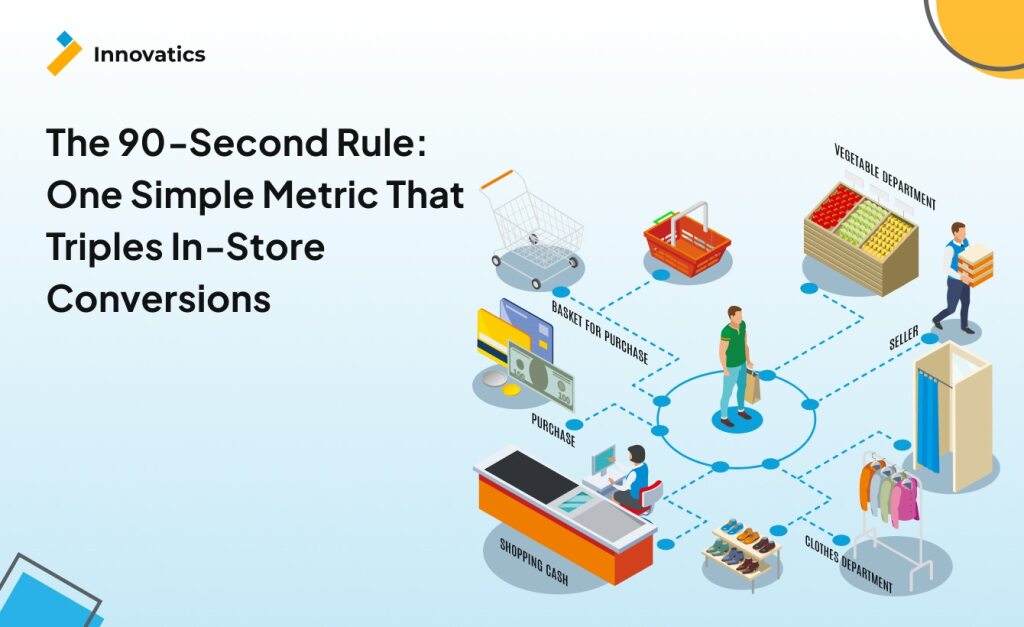
Table of Contents

Ready to Revolutionize your Business with Advanced Data Analytics and AI?

Quick Summary

Most of the retailers are sitting on a goldmine of customer intelligence (retail traffic) and don’t even know about it. Every day, thousands of customers walk through retail stores, creating patterns that reveal purchasing intent, behaviour triggers, and preferences. Yet also most of the retailers still rely on gut feelings and basic reports to make decision about their store layouts, staffing, and inventory placement.

Here’s what we have learned from working with retail chains across four continents: The difference between successful retailers and struggling ones isn’t just product selection or pricing. It’s more about understanding how your customers actually behave (act) in your stores.

After implementing footfall analytics systems for over multiple retail locations, we have seen the same pattern over and over again. Retailers who understand customer movement patterns consistently outperform those who operate on assumptions. The data doesn’t lie, and majority of the time it contradicts with what store managers think they know about their customers.

Why Traditional Retail Traffic Analytics Miss the Mark

Walk into any retail chain and ask managers about their customer behaviour, and you will get the same kinds of answers that are based on their observations and intuition. “Customers usually just go right after entering. That back corner doesn’t get much traffic. Friday evenings and Saturdays are mostly busy.”

These vague assumptions drive major business decisions about where to place high-margin products, how to staff shifts, and when to run promotions. The problem is that human observation is very unreliable (don’t get us wrong), but when it comes to understanding complex behavioral patterns.

We have analyzed traffic data from grocery stores where managers have insisted that the deli section had low engagement, only to discover that it was actually the second-highest dwell time area in the whole store. The cause was not customer interest, but was actually due to staffing shortages during peak hours that created bottlenecks.

Similarly, while working with a fashion retailer, they were convinced that their seasonal displays weren’t effective because sales seemed to drop over and over. Traffic analytics revealed that customers were spending too much time viewing the displays, but the checkout was so inefficient that many abandoned their purchases. The displays were working fine, and the problem was at a completely different place.

The Science Behind Customer Movement Intelligence

Customer behavior in retail spaces follows a predictable pattern that can be measured, analyzed, and optimized. But you need the right tools for this job.

Modern computer vision systems can track anonymous customer movements throughout stores with more than 95% accuracy while following and maintaining complete privacy compliance. The technology processes video streams in real-time, extracting movement patterns without storing any personally identifiable information.

What this reveals is very fascinating! Customer traffic patterns show distinct differences based on demographics, time of day, weather conditions, and even local events.

A grocery store might see a complete set of traffic flows on game days versus regular weekends. Fashion retailers often discover that their highest-converting customers follow entirely different paths through stores rather than their browsers.

The data gets much more interesting when you correlate movement patterns with actual purchases. We have found that customers who spend more than 90 seconds in specific store sections have conversion rates 3x higher than those who pass through quickly, but which sections drive this engagement varies a lot as per the store format, location, customer demographic, etc.

This isn’t just academic information. It’s actionable intelligence that directly impacts revenue.

Real-World Applications That Drive Results

Alright, let’s talk specifics about what this intelligence actually accomplishes in practice.

  • Traffic Flow Optimization:

    One grocery chain client was losing customers during peak hours due to perceived crowding. Through traffic analysis, it was revealed that while overall store capacity wasn’t exceeded, certain aisles created bottlenecks that made the entire store feel overcrowded. So, by repositioning just three promotional displays and adjusting the checkout queue layout, they reduced perceived wait time by 40% without even adding staff or any floor space.

  • Revenue Per Square Foot Improvements:

    A fashion retailer discovered that their highest-margin accessories were placed in a high-traffic area that customers moved through too quickly to browse effectively. By moving these items to a medium-traffic zone where customers naturally paused, they increased their accessories revenue by 23% within just two months.

  • Staff Deployment Intelligence:

    Rather than relying on some traditional scheduling based on historical sales, retailers can now easily deploy staff on the basis of predicted traffic patterns. One of the clients was able to reduce labor costs down by 15% while improving the customer service scores by making sure that adequate staffing is present during the actual peak traffic periods.

  • Promotional Impact Measurement:

    Instead of measuring promotional success only through sales data, retailers can now see how promotions affect customer movement throughout stores. This reveals whether promotions are truly driving incremental traffic or just shifting existing customer purchases.

The Privacy-First Approach That Actually Works

Customer privacy concerns are legitimate and must be addressed from the technology design phase, not bolted on afterward.

The systems that we implement process the video in real-time without storing any of the personally identifiable information. Computer vision algorithms extract movement patterns and demographic insights at aggregate levels only. Individual customers are never tracked or identified.

With this approach, we solve the privacy requirements while delivering the business intelligence retailers need. In fact, privacy-first design often produces better insights because it forces focus on aggregate patterns rather than individual tracking, which is very useful for business decision-making anyway.

Edge computing deployment means sensitive data never leaves store premises. All the processing happens locally, providing instant insights while maintaining all the complete data security.

Measuring Success Beyond Revenue

Revenue impact is important, but it’s not the only metric that matters for retail analytics success.

  • Operational Efficiency:

    Traffic-based staffing improves labor deployment effectiveness by 25-30%. That means that you get better customer service even during busy periods without over-staffing during slow periods.

  • Customer Experience:

    Understanding traffic patterns enables proactive customer experience improvements. It automatically reduces bottlenecks, optimizes checkout processes, and ensures adequate staffing during peak time periods, which all directly and indirectly improves customer satisfaction.

  • Inventory Optimization:

    Traffic analytics correlate customer engagement with inventory positioning, enabling more effective product placement and reducing carrying costs for slow-moving items.

  • Risk Mitigation:

    Early detection of traffic pattern changes can indicate developing problems before they impact sales. Sudden drops in specific area engagement might signal maintenance issues, competitive threats, or other problems requiring attention.

The Evolution Toward Predictive Intelligence

Current implementations provide descriptive analytics about what happened. The next evolution delivers predictive intelligence about what will happen.

Machine learning algorithms that analyze traffic patterns, weather forecasts, local events, and seasonal trends can predict customer behavior days or weeks in advance. This enables proactive optimization rather than reactive adjustments.

Advanced systems correlate traffic data with external factors like local events, weather patterns, and economic indicators to provide increasingly accurate forecasts of customer behavior and store performance.

Building Retail Intelligence That Scales

The retailers seeing sustained success from customer analytics share several common approaches.

They start with clear business objectives rather than technology implementation goals. The question isn’t “How can we implement computer vision?” but “How can we better understand and serve our customers?”

They integrate analytics into existing decision-making processes rather than treating it as a separate system. Traffic insights become part of regular operational reviews, staffing decisions, and strategic planning.

They focus on continuous optimization rather than one-time implementation. Customer behavior evolves, and analytics systems must evolve with it.

Most importantly, they view customer intelligence as a competitive advantage that requires ongoing investment and expertise, not a commodity technology purchase.

The Competitive Reality

Retail is becoming more and more competitive, and customer expectations continue to rise up. The retailers who understand their customers’ actual behavior patterns have significant advantages over those operating on assumptions and outdated data.

The technology to capture and analyze customer movement intelligence exists today. The implementation expertise is available. The question is whether retailers will adopt these capabilities before their competitors do.

At Innovatics, we’ve helped retail chains across multiple continents transform their customer understanding through AI-powered analytics. The results are consistently positive, but the competitive advantages are strongest for early adopters.

Customer behavior analytics represent a fundamental shift in how retailers understand and optimize their operations. The opportunity is significant, but it requires expertise in both technology implementation and retail operations.

The retailers who recognize this opportunity and act on it will have substantial competitive advantages. Those who wait will find themselves at an increasing disadvantage as customer expectations and competitive pressures continue to intensify.

Ready to understand what your customer traffic data actually reveals? Contact the Innovatics Team to discuss how customer behavior analytics can transform your retail operations.

profile-thumb
Neil Taylor
July 30, 2025

Meet Neil Taylor, a seasoned tech expert with a profound understanding of Artificial Intelligence (AI), Machine Learning (ML), and Data Analytics. With extensive domain expertise, Neil Taylor has established themselves as a thought leader in the ever-evolving landscape of technology. Their insightful blog posts delve into the intricacies of AI, ML, and Data Analytics, offering valuable insights and practical guidance to readers navigating these complex domains.

Drawing from years of hands-on experience and a deep passion for innovation, Neil Taylor brings a unique perspective to the table, making their blog an indispensable resource for tech enthusiasts, industry professionals, and aspiring data scientists alike. Dive into Neil Taylor’s world of expertise and embark on a journey of discovery in the realm of cutting-edge technology.

Frequently Asked Questions

Retail traffic analytics refers to the process of collecting and analyzing data about how customers move inside a store. Using technologies such as computer vision, sensors, and AI-based tracking systems, retailers can measure footfall, dwell time, and movement patterns across different store sections. This data helps businesses understand how customers interact with products and store layouts so they can improve merchandising strategies and customer experience.

Customer movement data reveals where shoppers spend the most time, which areas receive the most traffic, and which sections are often ignored. By analyzing these patterns, retailers can place high-margin products in strategic locations, adjust store layouts to reduce congestion, and improve product visibility. When retailers align store design with actual customer behavior, it increases engagement and improves conversion rates.

Modern retail analytics systems use technologies such as computer vision, video analytics, AI-powered sensors, and edge computing to track customer movement patterns. These systems analyze real-time video streams and extract anonymous behavioral data without storing personally identifiable information. This allows retailers to gain insights into store traffic patterns while maintaining customer privacy and data security.

Retail traffic data helps retailers optimize staffing schedules, product placement, and promotional campaigns. By understanding peak traffic periods and high-engagement zones, managers can deploy staff more efficiently and reduce bottlenecks in busy areas such as checkout counters. This improves operational efficiency and creates a smoother shopping experience for customers.

Most modern retail analytics solutions are designed with privacy-first approaches. These systems analyze movement patterns and behavioral trends at an aggregated level rather than identifying individual customers. Many platforms process video data in real time without storing personal information, ensuring compliance with privacy regulations while still providing valuable insights for retailers.

Table of Contents

Ready to Revolutionize your Business with Advanced Data Analytics and AI?

Quick Summary:

Walk into a retail store, like any retail store today, and you’re not just browsing products, but as a matter of fact, you are generating data. Every step you take, every pause at a display, every turn down an aisle creates a digital footprint that smart retailers are learning to read like a bestselling novel.
 
The pandemic fundamentally shifted retail dynamics. Customers became more and more selective about where they spend their time and money. Store owners have realized that they needed more than gut feeling to survive. This is where footfall analytics and smart store implementation come into play, transforming your physical space into a strategic advantage.
 
Here’s what leading retailers are discovering: when you understand how customers move through your entire store, you can easily predict what they want before they even know it themselves. That’s footfall analytics powered by AI for you.

What is Footfall Analytics?

Footfall analytics is a systematic process that measures who walks into your store, where they go, how long do they stay, and catches their attention. Think of this is as a Google Analytics for your physical store.

Traditional methods were pretty basic. Store managers counted heads manually or used simple door sensors that told you how many people entered. That’s like trying to understand a movie by only watching the opening credits.

Modern footfall analytics employs computer vision AI to create a complete picture. Smart cameras track customer movements without invading privacy. Heat maps show which areas get the most traffic. Dwell time analytics reveal where customers linger and where they rush past.

What this really means is that you can finally answer questions you were once avoiding: Why do customers avoid that expensive display near the entrance? Which store layout actually drives sales? When should you schedule more staff?

The data transforms into actionable insights:
  • Peak hours become predictable
  • Customer path mapping shows natural flow through your store
  • Conversion analytics tell you what percentage of browsers become buyers in each section

Smart Stores: Your Physical Space Gets a Brain

A smart store is what happens when you give your retail space AI capabilities. It’s not about some robots replacing humans, but it’s about using IoT sensors, and computer vision AI to make every square foot work harder for your business.

Smart stores use footfall analytics just like their own nervous system. Cameras and sensors feed real-time data to AI systems that optimize everything from lighting to product placement. When the system notices customers consistently avoiding any specific area, it can automatically adjust lighting or even suggest moving high-margin items to a better location.

The real power comes from solving the oldest retail headaches:
  • Long checkout lines? Smart stores can predict queue buildup and alert staff to open more registers
  • Popular items always out of stock? Inventory systems can track which products customers look for but can’t find
  • Poor staff allocation? Analytics show exactly when and where you need more help

This isn’t about replacing human judgment. Rather It’s about giving store managers superpowers backed by real data instead of hunches.

Real Retailers, Real Results

Research from major retail implementations shows measurable impact:
  • Amazon Go proved that even cashierless stores work! Their computer vision system tracks what customers are picking up and automatically charges them when they leave. No lines, no friction, no checkout drama, and the result? Customers spend around 40% more time browsing products instead of waiting in queues.
  • Walmart uses AI cameras throughout their stores to monitor footfall patterns and availability of products on shelves. Whenever sensors detect empty shelves in high-traffic areas, staff gets instant alerts. This system improved product availability by 32% and reduced those dreadful “Sorry, we’re out of stock.”
  • H&M and Zara cracked the code on fashion retail by tracking which displays are drawing the most attention. Heat mapping data revealed that customers spent 60% more time in areas with strategic lighting and clear sightlines. Both the brands redesigned their layouts accordingly and noticed their sales per square foot jump by 25%
  • Sephora takes personalization very seriously. Their analytics track how customers engage with different product categories and how staff interactions affect purchase decisions. Store associates get real-time insights about customer preferences, leading to more relevant recommendations and a 35% boost in conversion rates.
  • McDonald’s and Starbucks optimized their layouts using footfall analysis to reduce wait times and improve kitchen workflow. By understanding customer movement patterns, they redesigned spaces to handle rush periods more efficiently. McDonald’s saw average service time drop by 20 seconds per order, while Starbucks increased daily order volume by 15%.

Why This Matters for Your Bottom Line?

Improved and uplifted customer experience is not something nice to have! It’s survival. When customers can easily buy anything online, your retail store needs to offer something much better that digital simply can’t. A personalized experience that feels almost telepathic.

Footfall analytics delivers this by reducing friction points:
  • No more wandering around looking for products
  • No more long lines because you’re understaffed during peak periods
  • No more frustrated customers leaving empty-handed because they couldn’t find what they wanted

Operational efficiency gets much better. Staff allocation becomes much scientific rather than guesswork. Inventory management shifts from reactive to predictive side. Energy costs drop when you know which areas need lighting and climate control at different times.

The revenue impact is measurable. Retailers using footfall analytics typically see 10-30% increases in sales within 6 months of implementation. And no that is not from spending more on marketing or inventory, it’s from understanding and optimizing how customers actually use their space.

Better customer insights mean better business decisions. You’ll know which promotions work, which products need better placement, and which store sections drive the highest value transactions.

How Innovatics Makes This Reality?

Here’s where theory meets it’s practical implementation. At Innovatics, we don’t just talk about smart retail and all, we actually build systems that work in real stores with real customers and with real business constraints.

Our computer vision solutions integrate with existing security cameras and sensors, so you don’t have to rip out your existing infrastructure. Real-time analytics dashboards give you insights you can act on immediately, not reports you’ll read next week. The platform scales whether you’re running one boutique or hundreds of stores.

We’ve helped premium fashion retailers increase customer retention by 20% through better store layouts. Media companies boosted online sales by 15% by understanding which in-store experiences drive digital engagement.

The difference is in the execution. Anyone can install cameras and sensors, but making the data actually useful for business decisions takes expertise in both retail operations and AI implementation.

Getting Started

  • Start with clear objectives

    What do you want? Are you trying to increase sales, reduce costs, improve customer satisfaction, or all three? Different goals require different analytic approaches.

  • Pick the right technology partner

    Look for proven experience with retail implementations, not just AI demos. You want someone who understands that a 2% improvement in conversion rates matters more than impressive technical specifications.

  • Begin with a pilot test

    Choose one store or one section to prove the concept. Measure baseline metrics before implementation, then track improvements over 60-90 days. Use those results to build your business case for wider deployment.

  • Focus on continuous optimization

    Footfall analytics isn’t a set-it-and-forget-it solution. The most successful retailers treat it as an ongoing process of testing, measuring, and improving based on customer behavior data.

  • Train your team to use the insights

    The best analytics system in the world won’t help if your staff doesn’t know how to interpret and act on the data.

The Smart Choice for Smart Retailers

Footfall analytics and smart stores isn’t the future of retail, they are the present for retailers who want to stay competitive. Customer expectations have always kept going up, profit margins keep shrinking, and operational costs keep on climbing too.

Smart retailers are already using these tools to understand their customers better, operate more efficiently, and drive measurable revenue growth. The question isn’t whether you’ll eventually implement footfall analytics. It’s whether you’ll do it before or after your competitors.

Ready to see what footfall analytics can do for your stores? Innovatics specializes in turning retail spaces into data-driven revenue engines. Let’s discuss how AI can transform your customer experience and boost your bottom line.

profile-thumb
Neil Taylor
July 24, 2025

Meet Neil Taylor, a seasoned tech expert with a profound understanding of Artificial Intelligence (AI), Machine Learning (ML), and Data Analytics. With extensive domain expertise, Neil Taylor has established themselves as a thought leader in the ever-evolving landscape of technology. Their insightful blog posts delve into the intricacies of AI, ML, and Data Analytics, offering valuable insights and practical guidance to readers navigating these complex domains.

Drawing from years of hands-on experience and a deep passion for innovation, Neil Taylor brings a unique perspective to the table, making their blog an indispensable resource for tech enthusiasts, industry professionals, and aspiring data scientists alike. Dive into Neil Taylor’s world of expertise and embark on a journey of discovery in the realm of cutting-edge technology.

Frequently Asked Questions

Table of Contents

Ready to Revolutionize your Business with Advanced Data Analytics and AI?

Quick Summary

Your e-commerce business generates massive amounts of data daily, but here’s the more shocking reality: while many companies still struggle with data-driven decision making, their competitors are weaponizing data for competitive advantage.
 
Now picture this: You are selling on Amazon, your Shopify store, Instagram Shopping, and Facebook Marketplace. Each platform generates valuable sets of customer insights, sales patterns, and inventory data.
 
Yet all of these critical pieces of information sit isolated in digital silos, never speaking to each other. Customer data scattered across multiple systems prevents businesses from gaining a holistic view of their customers, inhibiting personalized marketing efforts and targeted cross-selling opportunities.

The numbers tell a clear story. Global e-commerce sales will surpass $6.86 trillion in 2025, with 2.77 billion online shoppers worldwide and 21% of all retail purchases now happening online. In this hyper-competitive world, data confusion isn’t just some mistake; it’s an expensive liability. Businesses operating with data silos typically lose 20-30% of potential revenue through missed opportunities, inventory mismanagement, and ineffective marketing spend.

But what if all your scattered data could transform into one secret weapon? What if instead of guessing which products will sell next month, you could actually predict demand with 90% accuracy? What if you could automatically adjust pricing based on competitor moves, inventory levels, and demand patterns, all in real-time?

This is the promise of advanced analytics for e-commerce, and the best part? Your competitors probably aren’t leveraging it yet!

What is Advanced Analytics for E-commerce?

Advanced analytics isn’t about bigger spreadsheets or fancier dashboards. While traditional business intelligence tells you what happened last month, advanced analytics predicts what will happen next month and prescribes exactly what you should do about it.

Think of the difference this way: Traditional analytics might show you that sales dropped 15% last week. Advanced analytics would have predicted that drop two weeks earlier, identified the specific cause, and automatically triggered adjustments, inventory reorders, and even a targeted marketing campaign to minimize the impact.

Key Components for E-commerce Success

  • Predictive Analytics for Demand Forecasting: Instead of ordering inventory based on last year’s sales, predict future demand using factors like seasonal trends, social media sentiment, weather patterns, and even competitor behavior. Organizations can anticipate trends, optimize processes, and identify potential risks before they arise, facilitating a more proactive approach to decision-making.
  • Customer Behavior Analysis Across Touchpoints: Track customers’ journeys between your website, mobile app, social media, and physical locations. Understand which marketing channels are actually driving purchases and not just clicks.
  • Real-time Inventory Optimization: Automatically adjust stock levels across all sales channels based on demand predictions, supplier lead times, and profitability calculations.
  • Automated Pricing Strategies: Dynamic pricing that responds to competitor changes, inventory levels, demand fluctuations, and customer willingness to pay, all without manual intervention.

Beyond Basic Business Intelligence

Traditional BI focuses on historical data from internal databases and typically structured data that answers “what happened.” Business intelligence is also sometimes called “descriptive analytics” and typically focuses on historical business data, often from one or just a few sources.

Advanced analytics uses AI, machine learning, and big data techniques to handle structured and unstructured data from multiple sources. Advanced analytics focuses on forecasting, using both unstructured and structured datasets that are often disparate. It answers “what will happen” and “what should we do about it.”

For e-commerce specifically, this means analyzing everything from customer reviews and social media mentions to supplier performance data and macroeconomic indicators to make better business decisions faster than your competition.

The Multi-Platform Problem: Why E-commerce Data Gets Messy

Modern e-commerce isn’t simple. It’s not just one online store anymore. Today’s successful brands sell everywhere customers shop: Amazon, their own Shopify store, Instagram Shopping, Facebook Marketplace, TikTok Shop, Google Shopping, and often 5-10 more marketplaces.

Social commerce is experiencing explosive growth, with global shoppers spending $1.23 trillion on social media commerce in 2024, up 14.1% year-over-year. Global social commerce sales reached $1.37 trillion in 2025. This multi-platform reality creates new challenges.

The Data Silo Reality

Each platform creates its own data universe:

  • Amazon Seller Central: Contains detailed sales data, customer reviews, and advertising performance, but it doesn’t integrate with your other channels. You can’t easily compare Amazon customer behavior with website visitors or understand the true customer journey.
  • Facebook and Instagram advertising data: Show impressions, clicks, and social media engagement, but connecting these metrics to actual sales across all channels requires manual work that most businesses never complete.
  • Your Shopify store: Provides website analytics, conversion data, and customer information, but it can’t tell you if those customers also bought from your Amazon store or discovered you through TikTok.
  • Inventory management systems: Often operate independently from sales channels, leading to stockouts on high-performing platforms while other channels have excess inventory.
  • Email marketing platforms: Capture customer engagement data but can’t automatically adjust campaigns based on inventory levels or cross-platform purchase behavior.

The Hidden Costs

Data silos hinder e-commerce businesses in several ways, impacting operational efficiency and hindering growth opportunities. Here’s what this fragmentation actually costs:

  • Revenue Leakage: Without unified customer data, you can’t identify your most valuable customers across platforms. You might offer new customer discounts to existing customers purchasing through different channels, or fail to recognize VIP customers who deserve special treatment.
  • Inventory Mismanagement: One of the biggest challenges of multichannel selling is inventory management. It becomes difficult to manage supply and demand or estimate inventory on hand, leading to either overstocking or overselling.
  • Marketing Inefficiency: When data is scattered across various systems, generating comprehensive reports and performing meaningful analyses becomes time-consuming and complex. This hinders decision-making and prevents businesses from identifying trends or implementing data-driven strategies.
  • Missed Opportunities: You can’t optimize what you can’t measure. Without unified data, cross-selling opportunities, seasonal trends, and emerging customer preferences remain invisible until competitors capitalize on them first.
  • Research shows that businesses with unified data architectures outperform their siloed competitors by 30-50% in revenue growth and customer satisfaction metrics.

The Business Case: What Advanced Analytics Actually Does for E-commerce

Let’s move beyond theory to tangible business impact. Advanced analytics transforms e-commerce operations across three critical areas: Revenue optimization, Operational efficiency, and Competitive advantage.

Revenue Optimization

  • Demand Forecasting Accuracy: Traditional inventory planning heavily relies on historical sales patterns and gut feelings. Advanced analytics incorporates dozens of variables such as: seasonal trends, social media sentiment, competitor pricing, economic indicators, weather patterns, and supply chain distributions. The result? Demand forecasting accuracy improves from 60-70% to 85-95%, reducing stockouts by at least 35% and overstocking by 20%.
  • Dynamic Pricing Strategies: Predictive analytics helps businesses anticipate customer needs before they realize them. Instead of static pricing, algorithms continuously adjust prices based on demand, competition, inventory levels, and customer price sensitivity. Fashion retailers using dynamic pricing see margin improvements of 15-25% without sacrificing sales volume.
  • Customer Lifetime Value Prediction: Advanced analytics identifies which customers are more likely to become your most valuable long-term relationships. This enables targeted retention campaigns that improve customer lifetime value by 40% while reducing acquisition costs.

Operational Efficiency

  • Automated Inventory Management: Smart algorithms automatically reorder inventory based on predicted demand, supplier lead times, and profitability calculations. Premium fashion retailers have eliminated manual inventory planning entirely, reducing labor costs by 60% while improving inventory turnover by 40%.
  • Supply Chain Optimization: Advanced analytics optimizes shipping routes, supplier selection, and warehouse distribution based on cost, speed, and reliability factors. E-commerce businesses typically reduce logistics costs by 20-30% while improving delivery times.
  • Marketing Attribution and Optimization: True multi-touch attribution reveals which marketing channels actually drive sales versus just clicks. Loyalty programs are effective for boosting conversions and retaining customers, with annual revenue growth of 12-18%. Businesses reallocate marketing spend based on actual ROI, improving return on ad spend (ROAS) by 25-40%.

Competitive Advantage

  • Trend Prediction: Data analytics enables fashion brands to sift through vast amounts of information from social media buzz and search engine trends to sales data and consumer behavior patterns to identify potential trends before they become mainstream. While competitors react to market changes, data-driven businesses anticipate them.
  • Real-time Market Response: Automated systems respond to competitor price changes, inventory fluctuations, and demand shifts within minutes instead of weeks. This agility creates sustainable competitive advantages in fast-moving markets.
  • Personalization at Scale: AI-driven personalization is foundational to e-commerce in 2025. Advanced analytics enables individualized experiences for thousands of customers simultaneously, increasing conversion rates by 20-30% and average order values by 15-25%.

The statistics are compelling: Businesses implementing advanced analytics typically see 20-30% revenue growth within 12-18 months, with ROI ranging from 300-500% over two years.

Advanced Analytics in Action: E-commerce Use Cases

Theory becomes powerful when applied to real-world scenarios. Here’s how advanced analytics transforms daily e-commerce operations:

1. Inventory Intelligence

  • Traditional approach: Order inventory based on last year’s sales data and seasonal assumptions.
  • Advanced analytics approach: Predict demand using machine learning models that analyze historical sales, social media trends, competitor pricing, weather forecasts, and economic indicators. The system automatically generates purchase orders, optimizes warehouse distribution, and adjusts safety stock levels.
  • Real impact: A fashion retailer reduced inventory holding costs by 25% while decreasing stockouts by 40%. Their algorithm predicted a trending color three weeks before competitors, enabling them to capture 60% market share in that category.

2. Customer Journey Optimization

  • Traditional approach: Analyze website conversion funnels using Google Analytics, which misses cross-platform customer behavior.
  • Advanced analytics approach: Track customer interactions across all touchpoints including website visits, social media engagement, email opens, mobile app usage, and in-store visits. Machine learning identifies patterns that predict purchase probability and optimal intervention timing.
  • Real impact: An electronics retailer discovered that customers who engage with their content on TikTok convert 3x higher on their website. They reallocated 40% of their advertising budget to TikTok content creation, increasing overall conversion rates by 35%.

3. Dynamic Pricing Strategy

  • Traditional approach: Set prices based on cost-plus margins or competitor price matching.
  • Advanced analytics approach: Algorithms continuously adjust pricing based on demand elasticity, competitor pricing, inventory levels, customer segments, and market conditions. Prices optimize for maximum profit, not just revenue.
  • Real impact: A home goods retailer implemented dynamic pricing across 10,000 SKUs. Revenue increased 18% while margins improved 22%. The system automatically identified products with low price sensitivity and raised prices, while reducing prices on high-elasticity items to drive volume. 

4. Marketing Attribution and Optimization

  • Traditional approach: Attribute sales to the last click before purchase, missing the complex customer journey.
  • Advanced analytics approach: Multi-touch attribution models reveal the true contribution of each marketing channel. Machine learning optimizes budget allocation based on actual customer acquisition costs and lifetime values.
  • Real impact: A beauty brand discovered that YouTube videos drove 40% of their sales despite receiving attribution for only 5% under last-click models. They tripled their YouTube investment and reduced Facebook spending, improving overall ROAS by 60%.

5. Fraud Detection and Risk Management

  • Traditional approach: Flag suspicious transactions after they occur, often missing sophisticated fraud patterns.
  • Advanced analytics approach: Real-time machine learning models analyze transaction patterns, device fingerprints, behavioral signals, and network effects to prevent fraud before it happens.
  • Real impact: An accessories retailer reduced chargeback losses by 75% while decreasing false positives by 50%. Customer satisfaction improved because fewer legitimate transactions were blocked.

6. Predictive Customer Service

  • Traditional approach: React to customer service issues after they arise.
  • Advanced analytics approach: Predict which customers will likely have issues based on purchase patterns, product quality data, and historical service interactions. Proactively reach out to prevent problems.
  • Real impact: A subscription box company reduced customer service volume by 30% while improving satisfaction scores by 25%. Their algorithm identified customers likely to have shipping issues and proactively provided tracking updates and alternative delivery options.

All these use cases share common characteristics: They replace reactive manual processes with proactive automated systems, they integrate data from multiple sources, and they continuously improve through machine learning. The result is a business that anticipates rather than just reacts.

The Implementation Reality: Challenges and Solutions

Advanced analytics delivers transformative results, but implementation isn’t trivial. Successful businesses anticipate common obstacles and plan realistic solutions from the start.

Common Obstacles

  • Technical Complexity of Data Integration: Data silos are isolated management systems that cannot work with other systems or are running parallel to one another but never connected. E-commerce businesses typically have 8-15 different systems that don’t communicate naturally. API limitations, data format inconsistencies, and real-time sync challenges create integration nightmares.
  • Skill Gaps in Teams: Data science and advanced analytics require specialized skills that most e-commerce teams lack. Data scientists are expensive to hire, and hiring new staff can pose integration challenges. The choice between training existing employees or hiring specialists creates difficult trade-offs.
  • Budget Constraints: Advanced analytics requires investment in technology, talent, and change management. Small to medium e-commerce businesses often struggle to justify upfront costs despite compelling long-term ROI.
  • Change Management Resistance: Teams comfortable with manual processes and intuition-based decisions resist data-driven approaches. “We’ve always done it this way” mentality creates cultural barriers to adoption.
  • Data Quality Issues: Data quality issues, such as missing or incorrect data, can impact the accuracy of analysis and insights. Poor data quality creates garbage-in-garbage-out scenarios that undermine confidence in analytics results.

Practical Solutions

  • Start with High-Impact, Low-Complexity Use Cases: Begin with projects that deliver quick wins without requiring complete system overhauls. Demand forecasting for top-selling products or abandoned cart optimization provide immediate value while building organizational confidence.
  • Build Internal Capabilities Gradually: Training current BI users is a cost-effective approach to ensure continuity, but it requires time investment. Develop a hybrid approach: train existing employees on fundamental concepts while partnering with specialists for advanced implementation.
  • Choose Scalable Technology Stack: Invest in platforms that grow with your business. Cloud-based solutions offer flexibility and scalability without massive upfront infrastructure costs. Modern analytics platforms provide user-friendly interfaces that democratize data access across teams.
  • Focus on ROI Measurement from Day One: Define clear success metrics before implementation begins. Track both operational improvements (efficiency gains, cost reductions) and business outcomes (revenue growth, customer satisfaction). Demonstrating early wins builds momentum for larger investments.
  • Implement Robust Data Governance: Establish data quality standards, ownership protocols, and access controls from the beginning. Data governance guidelines ensure data is handled appropriately and prevent the emergence of additional silos.
  • Partner with Experienced Implementation Teams: Organizations that partner with analytics specialists see 3x faster implementation timelines and 2x better ROI compared to purely internal implementations. Experienced partners help avoid common pitfalls while transferring knowledge to internal teams.

Timeline Expectations

Months 1-3: Foundation Phase

  • Data audit and integration strategy development
  • Basic analytics infrastructure setup
  • Team training and capability building
  • Quick wins implementation (typically 2-3 use cases)

Months 4-8: Core Analytics Phase

  • Advanced data integration completion
  • Predictive model development and deployment
  • Automated reporting and dashboard creation
  • Expanded team capabilities and adoption

Months 9-18: Advanced Capabilities Phase

  • Machine learning model optimization
  • Real-time analytics implementation
  • Advanced automation deployment
  • Full organizational adoption and scaling

Ongoing: Continuous Improvement

  • Model performance monitoring and refinement
  • New use case development
  • Technology platform evolution
  • Team skill advancement

Realistic expectations prevent disappointment and ensure sustained executive support throughout the transformation journey.

Future-Proofing Your E-commerce Analytics

The analytics landscape evolves rapidly, and staying ahead requires understanding emerging trends that are shaping e-commerce in 2025 and beyond.

AI Integration

AI-driven personalization is foundational to e-commerce in 2025. Artificial intelligence is moving beyond basic automation to sophisticated decision-making that mimics human insight at machine scale.

  • Generative AI for Content: Nearly 4 in 10 (39%) of US consumers have already used generative AI while shopping online. AI now generates personalized product descriptions, creates dynamic email campaigns, and produces customized marketing content for different customer segments automatically.
  • Conversational Analytics: Natural language processing enables business users to ask complex questions in plain English and receive immediate insights. Instead of learning dashboard navigation, managers simply ask “Which products should we promote this week?” and receive actionable recommendations.
  • Autonomous Decision-Making: Advanced AI systems make routine business decisions without human intervention. Inventory reordering, price adjustments, and marketing campaign optimization happen automatically based on predefined business rules and performance targets.

Real-time Decision Making

The future belongs to businesses that respond to market changes within minutes, not days. Real-time analytics enable instant adjustments across all business functions.

  • Dynamic Pricing at Scale: Algorithms adjust prices for thousands of products simultaneously based on competitor pricing, demand patterns, inventory levels, and customer behavior. Dynamic pricing and sentiment analysis enable executives to adjust strategies on the fly based on live data.
  • Instant Inventory Optimization: Real-time systems automatically redistribute inventory between sales channels based on demand patterns, ensuring optimal stock levels across all platforms.
  • Adaptive Marketing Campaigns: Marketing campaigns automatically adjust messaging, targeting, and budget allocation based on real-time performance data and changing customer behavior.

Privacy-First Analytics

As AI becomes more pervasive in e-commerce, consumers are becoming more concerned about data security. Current analytics systems must deliver insights while protecting customer privacy.

  • Data Encryption and Security: Businesses must be transparent about how they use consumer data to build and maintain trust. Implementing practices like data encryption, secure payment gateways, and AI systems designed with privacy in mind are critical steps.
  • Cookieless Analytics: As third-party cookies disappear, businesses must develop first-party data strategies that respect customer preferences while delivering personalized experiences.
  • Compliance by Design: Analytics platforms are building privacy compliance into their core architecture, automatically ensuring adherence to GDPR, CCPA, and emerging privacy regulations.

Mobile-First Insights

Mobile commerce accounts for 59% of total retail eCommerce sales, representing $4.01 trillion in 2025, and traffic from mobile devices to ecommerce sites accounts for 75% of total traffic. Analytics systems must be designed for mobile-first customer experiences.

  • Mobile Customer Journey Analysis: Understanding how customers behave differently on mobile devices versus desktop, and optimizing experiences accordingly.
  • App-Based Analytics: Deep integration with mobile apps to track customer behavior, preferences, and purchase patterns in native mobile environments.
  • Voice Commerce Analytics: Voice commerce is becoming a dominant trend in 2025 as consumers shop hands-free using smart speakers and virtual assistants. Analytics systems now track and optimize voice-based customer interactions.

Social Commerce Analytics

Global social commerce sales reached $1.37 trillion in 2025, requiring specialized analytics approaches for social platforms.

  • Cross-Platform Attribution: Understanding how social media engagement translates to purchases across different platforms and channels.
  • Influencer Performance Measurement: Analytics that track the true impact of influencer partnerships on brand awareness, customer acquisition, and sales.
  • Live Commerce Insights: The live commerce market in China reached $562 billion in 2023 and continues growing rapidly. Analytics systems now track and optimize live shopping events and interactive commerce experiences.

Predictive Sustainability

Environmental consciousness increasingly influences purchase decisions. Analytics help businesses optimize for both profitability and sustainability.

  • Carbon Footprint Analytics: Tracking and optimizing the environmental impact of business decisions across the supply chain.
  • Sustainable Product Recommendations: AI systems that factor environmental impact into product recommendations and inventory decisions.
  • Circular Economy Optimization: Analytics that support business models focused on product lifecycle extension, recycling, and waste reduction.

The businesses that thrive in 2025 and beyond are those that anticipate these trends and build flexible analytics architectures that can adapt to changing market conditions and customer expectations. 

Success Stories and Benchmarks

  • Fashion Retailer Transformation: A premium fashion brand consolidated 11 different data systems into one unified analytics platform. Results included 40% improvement in inventory turnover, 25% reduction in stockouts, and 30% increase in customer lifetime value. Implementation took 14 months with ongoing support.
  • Multi-Platform Electronics Seller: An electronics retailer selling across Amazon, their website, and social platforms implemented advanced customer journey analytics. They discovered that TikTok content drove 3x higher conversion rates on their website, leading to budget reallocation and 35% overall conversion rate improvement.
  • Home Goods Marketplace: A home goods business implemented dynamic pricing across 10,000 SKUs using advanced analytics. Revenue increased 18% while margins improved 22% within 8 months of implementation.
  • Beauty Brand Attribution Success: A beauty brand discovered through advanced attribution modeling that YouTube videos drove 40% of sales despite receiving credit for only 5% under previous tracking methods. Budget reallocation improved overall ROAS by 60%. 

From Data Overwhelm to Data Advantage

The e-commerce landscape has fundamentally changed. With global e-commerce sales reaching $6.86 trillion in 2025 and 2.71 billion online shoppers worldwide, success no longer depends on intuition and manual processes. The businesses dominating their markets share one common characteristic: they’ve transformed scattered data into strategic intelligence.

Success requires both vision and execution. You need to see the possibilities that advanced analytics creates while implementing practical solutions that deliver measurable results. The roadmap exists, the technology is proven, and the business case is compelling.

What’s Missing is Action?

Companies that partner with experienced analytics teams see significantly faster implementation timelines and better outcomes compared to purely internal efforts. The right partner doesn’t just provide technology, they transfer knowledge, build internal capabilities, and share accountability for business results.

The question isn’t whether advanced analytics will transform e-commerce, it already has. The question is whether you’ll be among the businesses that leverage this transformation for competitive advantage or those that struggle to keep up with data-driven competitors.

Your data contains the insights needed to optimize pricing, predict demand, improve customer experiences, and increase profitability. The only question is whether you’ll unlock its potential before your competitors do.

The future belongs to businesses that turn data into competitive intelligence. That future is available today, for those ready to embrace it.

Ready to transform your e-commerce data chaos into a profit engine? Innovatics specializes in helping e-commerce businesses implement advanced analytics that deliver measurable results. Contact us to explore how advanced analytics can accelerate your growth and competitive positioning.

profile-thumb
Neil Taylor
July 2, 2025

Meet Neil Taylor, a seasoned tech expert with a profound understanding of Artificial Intelligence (AI), Machine Learning (ML), and Data Analytics. With extensive domain expertise, Neil Taylor has established themselves as a thought leader in the ever-evolving landscape of technology. Their insightful blog posts delve into the intricacies of AI, ML, and Data Analytics, offering valuable insights and practical guidance to readers navigating these complex domains.

Drawing from years of hands-on experience and a deep passion for innovation, Neil Taylor brings a unique perspective to the table, making their blog an indispensable resource for tech enthusiasts, industry professionals, and aspiring data scientists alike. Dive into Neil Taylor’s world of expertise and embark on a journey of discovery in the realm of cutting-edge technology.

Frequently Asked Questions

Table of Contents

Ready to Revolutionize your Business with Advanced Data Analytics and AI?

Quick Summary:

This comprehensive blog explores the concept of data lakes framework , their importance, and the power of AWS in designing and implementing a scalable data lake framework.

The blog delves into the origins of data lake framework, tracing their roots back to the emergence of Hadoop and the need to handle semi-structured and unstructured data. It highlights the early challenges faced by organizations, such as disorganized data, data redundancy, and poor query performance, paving the way for the evolution of data lake methodologies and technologies.

The blog delves into key components like data ingestion, processing, storage, security, governance, and monitoring. It highlights the roles of AWS services like Amazon S3, AWS Glue, Amazon Athena, and AWS Lake Formation in enabling efficient data management and analytics. Additionally, it provides best practices and discusses additional features like data scalability, integration, and user authentication. Continue reading to explore more..

Maximize the data value and transform your business with Innovatics Data Lake expertise.

How to design your own data lake framework in AWS

A data lake framework is a storage repository that holds a vast amount of raw data in its native format until it is needed for analytics applications. Unlike traditional data warehouses, which store data in a structured and preprocessed manner, data lakes framework store data in its original form, allowing for greater flexibility and scalability in data management and usage.

Today in this blog we will talk about data lakes framework and how you can design your own data lake framework in AWS.

But, before starting with the “HOW TO” process – lets understand why we need data lakes and the story behind it and how AWS appeared as a solution in designing a data lake framework.

Why a data lake?

The origins of data lakes framework can be traced back to the emergence of Hadoop, the open-source software framework designed for distributed storage and processing of big data. In its early days, Hadoop was seen as a solution for handling the rapidly growing volumes of semi-structured and unstructured data that traditional databases struggled to manage efficiently.

The initial hype surrounding Hadoop led to the misconception that organizations could simply dump vast amounts of raw data into a centralized repository, known as a data lake framework, and allow users to freely explore and analyze this data. However, multiple high-profile failures soon revealed the flaws in this approach, as these early data lakes quickly descended into disorganized and poorly governed data swamps, plagued by issues such as:

  • Data redundancy, which skewed analytical results and introduced inconsistencies.
  • Lack of auditability and traceability, eroding trust in the data.
  • Poor query performance, undermining the primary purpose of data lakes – enabling high-performance exploration and discovery.

These undocumented and disorganized early data lakes framework become nearly impossible to navigate, hindering their usefulness for enterprise applications. To address these challenges, metadata tagging emerged as a crucial practice for managing data lakes framework, making it easier to locate and understand the data stored within them.

Over time, the technologies and methodologies used to implement data lakes framework have evolved, moving beyond the initial focus on Hadoop to incorporate a broader range of traditional and big data technologies.

What is the importance of data lakes?

Data lakes are crucial for modern businesses due to their ability to rapidly ingest diverse types of new data, providing self-service access, exploration, and visualization. This capability allows businesses to swiftly respond to new information and access data that was previously unattainable.These new data types and sources facilitate data discovery, proofs of concept, visualizations, and advanced analytics. For instance, a data lake on AWS is the primary data source for machine learning applications, which often utilize log files, clickstream data from websites, social media content, streaming sensor data, and information from various Internet of Things (IoT) devices.

Many businesses have long desired the ability to perform discovery-oriented exploration, advanced analytics, and reporting. An
AWS data lake
provides the necessary scale and diversity of data, enabling these capabilities. Additionally, it serves as a consolidation point for both big data and traditional data, allowing for comprehensive analytical correlations across all data sets.

While typically used to store raw data, a data lake in AWS can also house intermediate or fully transformed, restructured, or aggregated data produced by data warehouses and downstream processes. This approach, often part of a data lake house architecture, significantly reduces the time data scientists spend on common data preparation tasks, enhancing efficiency and productivity.

AWS analytics services support this by providing a robust data platform architecture and streamlined data pipeline processes, making AWS data services an integral part of a modern data strategy. By leveraging the AWS data analytics ecosystem, businesses can build an efficient data lakehouse, ensuring scalable and flexible data management and analytics solutions.

AWS data lake architecture- Solution for ultimate data management and analytics.

AWS provides a scalable data lake architecture that enables organizations to manage and analyze large amounts of structured and unstructured data. This architecture comprises several key components that work together to ensure proper data ingestion, processing, storage, and analysis. Let’s dive deeper into each zone and component:

  • Landing Zone:

    This is the entry point where raw data is ingested from various sources, both internal and external to the organization. Data can be ingested from databases, applications, IoT devices, and other data sources using AWS services like Amazon Kinesis Data Streams, Amazon Kinesis Data Firehose, AWS Glue, and AWS Lambda. At this stage, data modeling and transformation are not performed, so as the data remains in its original form.

  • Curation Zone:

    In this zone, the ingested data undergoes processing and transformation using Extract, Transform, and Load (ETL) techniques. AWS Glue, a fully managed ETL service, plays a crucial role in this zone. It crawls the data to identify its structure and value, adds metadata, and performs data transformations. Additionally, AWS Glue can automatically discover and catalog data assets, making it easier to manage and govern the data lake.

  • Production Zone:

    Once the data has been processed and transformed, it is ready for consumption by business applications, analysts, data scientists, or both. The processed data is stored in a centralized repository, such as Amazon S3, which offers durability, scalability, and cost-effectiveness. Users can access and analyze the data using various tools like AWS Glue, Amazon Athena (for ad-hoc querying), and Amazon DynamoDB (for storing user-defined tags and metadata).

Key Components:

  • Amazon S3:

    Amazon S3 serves as the foundation for the data lake, storing datasets in their original form, regardless of size. It ensures data originality and scalability, making it an ideal choice for storing large amounts of data.

  • AWS Glue:

    AWS Glue is a fully managed ETL service that plays a crucial role in data transformation and processing. It provides built-in connectors to various data sources, allowing easy data integration and transformations.

  • Amazon Athena:

    Athena is an interactive query service that enables ad-hoc querying and analysis of data stored in Amazon S3. It supports standard SQL and can be used to analyze large datasets efficiently and cost-effectively.

  • Amazon DynamoDB:

    DynamoDB is a fully managed NoSQL database service that can be used to store user-defined tags and metadata associated with the datasets in the data lake. This metadata helps contextualize the datasets for effective data governance and access control.

  • AWS Lake Formation:

    AWS Lake Formation is a service that simplifies data governance and access control for data lakes. It provides a centralized repository for metadata and enables the creation of data access policies, ensuring that only authorized users and applications can access sensitive data.

    These key components work together to enable organizations to ingest, store, process, and analyze large volumes of data securely. By using the power of these services, organizations can take full advantage of their data assets, for data-driven decision-making and fostering innovation across various domains.

Building a scalable data lake framework on AWS involves several steps.

Here’s a detailed guide

1. Data Ingestion:
  • Step 1.1: Identify Data Sources

    Determine the various data sources you need to ingest into your AWS data lake, such as databases, flat files, streaming data, APIs, etc. Understand the data formats, volume, and velocity to design an appropriate ingestion strategy.

  • Step 1.2: Choose Data Ingestion Tools

    AWS offers several services for data ingestion, such as Amazon Kinesis (for streaming data), AWS Glue (for batch data), and AWS DataSync (for transferring large datasets). Choose the appropriate tools based on your data sources and ingestion requirements.

  • Step 1.3: Set Up Data Ingestion Pipelines

    Use AWS services like AWS Glue, AWS Lambda, and Amazon EventBridge to build data ingestion pipelines. These pipelines should handle data extraction, transformation (if needed), and loading into the AWS data lake (typically Amazon S3).

2. Data Processing:
  • Step 2.1: Choose Data Processing Tools

    AWS provides various tools for data processing, such as AWS Glue (for ETL), AWS Lambda (for serverless data transformations), and Amazon EMR (for big data processing). Choose the appropriate tools based on your data processing requirements.

  • Step 2.2: Set Up Data Processing Pipelines

    Build data processing pipelines using the chosen tools to transform, clean, and enrich the ingested data. These pipelines should handle tasks like data cleansing, aggregation, joining, and formatting.

  • Step 2.3: Optimize Data Processing for Performance

    Optimize your data processing pipelines for performance by using techniques like data partitioning, columnar storage formats (e.g., Apache Parquet), and parallel processing. AWS services like AWS Glue and Amazon Athena can help with optimizing data processing and querying.

3. Data Storage:
  • Step 3.1: Choose Data Storage Options

    Amazon S3 is the primary storage option for an AWS data lake, but you can also consider other services like Amazon EFS (for file storage) or Amazon DynamoDB (for NoSQL databases) based on your data storage requirements.

  • Step 3.2: Set Up Data Storage

    Configure Amazon S3 buckets and other storage services to store your data in a structured and organized manner. Use partitioning, compression, and other techniques to optimize storage and querying.

  • Step 3.3: Optimize Data Storage for Scalability

    Leverage Amazon S3’s scalability and durability features to ensure your data lake can handle growing data volumes. Implement data lifecycle management policies and use Amazon S3 Glacier for cost-effective long-term storage.

4. Data Security and Governance:
  • Step 4.1: Implement Data Security Measures

    Secure your data lake by implementing access controls, encryption, and auditing mechanisms. AWS services like AWS IAM, AWS KMS, and AWS CloudTrail can help with data security.

  • Step 4.2: Set Up Data Governance Policies

    Define and enforce data governance policies using AWS Lake Formation. This service provides a centralized repository for metadata and enables data access control, data lineage tracking, and data quality monitoring.

  • Step 4.3: Monitor and Audit Data Access

    Use AWS services like Amazon CloudWatch and AWS CloudTrail to monitor and audit data access activities within your data lake. This helps ensure compliance with data governance policies and security best practices.

5. Monitoring and Maintenance:
  • Step 5.1: Monitor Data Lake Performance

    Monitor the performance of your data lake components using Amazon CloudWatch, AWS X-Ray, and other monitoring tools. Identify and address performance bottlenecks or issues.

  • Step 5.2: Perform Regular Maintenance Tasks

    Regularly perform maintenance tasks such as data cleanup, data archiving, and data quality checks to ensure the integrity and efficiency of your data lake.

  • Step 5.3: Troubleshoot Common Issues

    Be prepared to troubleshoot common issues related to data ingestion, processing, storage, and security. Leverage AWS documentation, forums, and support resources for guidance.

Additional Features:
  • Data is stored securely using Amazon S3’s durability and scalability features, combined with AWS IAM, AWS KMS, and other security services.
  • Data can be scaled up or down as needed using Amazon S3 and other AWS services, leveraging their elasticity and auto-scaling capabilities.
  • Data can be integrated with various tools and services, such as Amazon OpenSearch Service for robust search capabilities and Amazon Cognito for user authentication.
  • Data can be shared across different organizations and users using federated templates and SAML providers like Okta or Active Directory.
  • Users can manage data lakes using the AWS CLI for administrative tasks.
  • Users can access and browse datasets through a user-friendly console, such as AWS Lake Formation’s console or a custom-built interface.
Implementation:
  • AWS CloudFormation: Used for deploying infrastructure components and creating data packages within your data lake architecture.
  • API Gateway and Lambda Functions: Used for creating data ingestion and administrative tasks, enabling serverless and event-driven architectures.
  • Amazon CloudFront: Acts as a content delivery network (CDN) and access point for the data lake console, providing low-latency access to users.
Best Practices:
  • Store data in open file formats: Use formats like Apache Parquet for efficient querying and storage, ensuring data interoperability and future-proofing.
  • Optimize for performance: Store data in a way that makes it easy to query, using columnar file formats, efficient partitioning, and compression techniques.
  • Implement data governance and access control: Use tools like AWS Lake Formation to manage data access and security, ensuring compliance with data governance policies.
  • Implement data governance and access control: Use tools like AWS Lake Formation to manage data access and security, ensuring compliance with data governance policies.
  • Schema visibility: Understand the data schema as it is being ingested to avoid issues later, and leverage schema evolution capabilities provided by AWS services.

Looking to streamline your data with AWS? Start designing your data lake framework now!

Optimize Your Data


By following this step-by-step guide and leveraging the various AWS services mentioned, you can build a scalable, secure, and high-performance data lake framework tailored to your organization’s data analytics and data management needs.

To harness the full potential of data lakes and unlock the power of data-driven insights, businesses need a reliable partner with expertise in designing and implementing robust data lake frameworks.

At Innovatics, our team of AWS-certified professionals possess the knowledge and experience to guide you through every step of the journey, ensuring your data lake architecture is best as per your business requirements.

With our deep understanding of AWS services and best practices, we can help you build a scalable, secure, and high-performance data lake framework that streamlines data ingestion, processing, storage, and analytics.

Don’t let the complexities of data lake implementation hold you back.

Partner with Innovatics and leverage our expertise to navigate the intricacies of AWS services. Connect us now!

profile-thumb
Neil Taylor
August 30, 2024

Meet Neil Taylor, a seasoned tech expert with a profound understanding of Artificial Intelligence (AI), Machine Learning (ML), and Data Analytics. With extensive domain expertise, Neil Taylor has established themselves as a thought leader in the ever-evolving landscape of technology. Their insightful blog posts delve into the intricacies of AI, ML, and Data Analytics, offering valuable insights and practical guidance to readers navigating these complex domains.

Drawing from years of hands-on experience and a deep passion for innovation, Neil Taylor brings a unique perspective to the table, making their blog an indispensable resource for tech enthusiasts, industry professionals, and aspiring data scientists alike. Dive into Neil Taylor’s world of expertise and embark on a journey of discovery in the realm of cutting-edge technology.

Frequently Asked Questions

Table of Contents

Ready to Revolutionize your Business with Advanced Data Analytics and AI?

Quick Summary:

Data warehouse tools are essential software applications that help organizations manage and analyze vast amounts of information. As businesses struggle with increasing data volumes, these tools offer a solution by centralizing data from various sources into a single repository.

The blog discusses the importance of data warehouse tools and their key benefits, including improved data quality, consistency, and support for automation initiatives. It then presents a list of the top 10 cloud-based data warehouse tools, highlighting popular options like Snowflake, Amazon Redshift, Google BigQuery, and Azure Synapse.

Maximize the value of your business data with Innovatics data management experts.

Each tool is briefly described, focusing on its unique features, strengths, and potential use cases. The list covers both well-established platforms and newer entrants in the market, offering readers a comprehensive overview of available options. The blog also underscores how these tools enable organizations supporting various analytical needs from routine reporting to advanced predictive analytics and machine learning initiatives. Continue to read more.

Top 10 data warehouse tools to watch on

Organizations are drowning in a sea of information, struggling to make sense of the vast amounts of data they collect.

But fear not, for there is a solution to this deluge of data: data warehouse tools.

These powerful applications are the lifeline that helps businesses navigate the treacherous waters of data management, transforming raw information into actionable insights that drive growth and success.

Let’s delve deep into the topic and learn more about what data warehouse tools are and which tools are leading on top to watch on.

What are data warehouse tools?

Data warehouse tools are software applications that facilitate the process of building, managing, and analyzing data warehouses. These tools help organizations extract, transform, load, and store data from various sources into a centralized repository for reporting and decision-making purposes.

Why do we use data warehouse tools?

The primary benefits of using data warehouse tools is improved business intelligence and efficiency. By consolidating data from multiple sources into a unified view, organizations can gain a global perspective on their operations, enabling them to create accurate reports, collaborate effectively across departments, and make quick, high-quality decisions.

Data warehouse tools also help reduce the cost of data management by eliminating the need to maintain data across different platforms and vendors. Another key advantage of data warehouse tools is their ability to maintain data quality and consistency.

These tools apply standardized formats and processing rules to ensure that the data stored in the data warehouse is reliable and suitable for analysis, regardless of its source. This consistency enhances confidence in the insights derived from the data, leading to better strategic outcomes.

Data warehouse tools support automation initiatives, allowing organizations to experiment with ways to improve their operations. Automating data access, transfer, and analysis can accelerate workflows and prevent costly mistakes.

As businesses grow, data warehouse tools become increasingly valuable, providing the information needed to pinpoint the extent of growth, study its causes, and make informed decisions about future investment.

Top 10 Cloud-Based Data Warehouse Tools

  • Snowflake

    Snowflake is a cloud data warehouse platform that has gained significant popularity due to its unique architecture and flexibility. It offers a multi-cloud approach, allowing users to deploy on AWS, Azure, or GCP. Snowflake’s key strength lies in its separation of compute and storage, which enables independent scaling and cost optimization.

    Users pay only for the compute resources they use, billed by the second, making it highly cost-effective for organizations with variable workloads. Snowflake data warehouse also excels in data sharing capabilities, allowing secure and governed sharing of live data across organizations without the need for data movement or replication.

  • Amazon Redshift

    Amazon Redshift, part of the AWS ecosystem, is a fully managed, petabyte-scale enterprise data warehouse service. It utilizes columnar storage and Massively Parallel Processing (MPP) to deliver high performance on large datasets. Redshift integrates seamlessly with other AWS services, making it an attractive option for organizations already invested in the AWS ecosystem.

    It offers features like automatic backups, encryption, and the ability to query directly from S3 data lakes using Redshift Spectrum. Recent enhancements include Redshift ML, which allows users to create, train, and deploy machine learning models using SQL statements.

  • Google BigQuery

    Google BigQuery stands out as a serverless, highly scalable data warehouse solution. It’s designed to handle enormous datasets with ease and offers real-time analytics capabilities. BigQuery’s strengths include its built-in machine learning features, which allow data scientists to create and execute ML models using standard SQL.

    It also provides automatic replication and backup, ensuring high availability and data durability. BigQuery’s pricing model, which separates storage and query costs, can be particularly advantageous for organizations with large data volumes but intermittent query needs.

  • Azure Synapse

    Azure Synapse Analytics is Microsoft’s answer to the modern data warehousing needs, offering a unified analytics platform. It combines enterprise data warehousing, big data analytics, and data integration into a single service. Synapse supports both serverless and dedicated resource models, providing flexibility in resource management and cost control.

    Its tight integration with other Azure data warehouse solutions, particularly Power BI for visualization and Azure Machine Learning for advanced analytics, makes it a powerful choice for organizations heavily invested in the Microsoft ecosystem.

  • Databricks

    Databricks, while not a traditional data warehouse, has become a major player in the analytics space. Built on Apache Spark, it offers a unified analytics platform that supports multiple programming languages including SQL, Python, R, and Scala. Databricks excels in handling large-scale data processing and machine learning workloads.

    Its collaborative notebooks feature facilitates team-based data science work, while the integration with MLflow provides robust support for the entire machine learning lifecycle. Databricks Delta Lake, an open-source storage layer, brings ACID transactions and increased reliability to data lakes.

  • Firebolt

    Firebolt is a newer entrant in the cloud data warehouse space, focusing on delivering extremely high performance for analytics workloads. It’s designed with a decoupled storage and compute architecture, allowing for independent scaling. Firebolt claims to offer sub-second query performance even on large datasets, achieved through its novel indexing and caching mechanisms.

    It’s particularly well-suited for semi-structured data and offers features like continuous aggregates and pruning of sparse data, which can significantly speed up complex analytical queries.

  • Teradata

    Teradata Vantage represents the evolution of Teradata’s long-standing expertise in the cloud data warehouse era. It’s a hybrid multi-cloud data platform that supports both on-premises and cloud deployments. Vantage offers advanced analytics and machine learning capabilities directly within the platform, reducing the need for data movement.

    It’s known for its robust security and governance features, making it attractive to enterprises in regulated industries. Teradata’s query optimizer is particularly sophisticated, capable of handling complex, multi-step analytics processes efficiently.

  • Oracle Autonomous Data Warehouse

    Oracle Autonomous Data Warehouse leverages Oracle’s deep database expertise in a cloud-native offering. Its standout feature is its self-driving, self-securing, and self-repairing capabilities, which aim to minimize manual administration.

    Built on Oracle Database technology, it offers compatibility with existing Oracle-based systems while providing cloud benefits like automatic scaling and tuning. It’s tightly integrated with Oracle Analytics Cloud, providing a comprehensive solution for data storage, processing, and visualization.

  • IBM Db2 Warehouse

    IBM Db2 Warehouse on Cloud brings IBM’s database technology to the cloud as a fully managed service. It offers built-in support for machine learning and geospatial analytics, allowing organizations to perform advanced analytics without moving data out of the warehouse.

    One of its key strengths is its compatibility with on-premises Db2 databases, facilitating hybrid cloud deployments. The platform offers elastic scaling of both compute and storage resources, allowing users to adjust capacity based on demand.

  • Yellowbrick Data Warehouse

    Yellowbrick Data Warehouse takes a hybrid approach, offering deployments both on-premises and in the cloud. It’s built on a flash-optimized columnar storage architecture, designed to deliver high performance for complex queries and high concurrency workloads.

    Yellowbrick aims to combine the performance and control of on-premises systems with the flexibility and scalability of cloud solutions. It’s particularly well-suited for organizations that need to maintain some on-premises presence due to regulatory or data sovereignty concerns while still leveraging cloud capabilities.

Conclusion

One cannot overstate or avoid data warehouses in their data strategy because these platforms have become fundamental to modern business intelligence and decision-making processes. Data warehouses serve as centralized repositories that consolidate data from various sources, enabling organizations to gain comprehensive insights and perform complex analytics at scale.

They provide a structured environment for data storage and retrieval, optimized for query performance and analytical processing. By separating analytical workloads from operational systems, data warehouses allow businesses to run resource-intensive queries without impacting day-to-day operations.

Moreover, they facilitate data governance, ensuring data quality, consistency, and security across the organization. As businesses increasingly rely on data-driven decision making, data warehouses play a crucial role in transforming raw data into actionable insights, supporting everything from routine reporting to advanced predictive analytics and machine learning initiatives.

In an era where data volumes are exploding and the need for real-time analytics is growing, a robust data warehouse strategy is not just beneficial – it’s essential for maintaining competitiveness and driving innovation in virtually every industry.

profile-thumb
Neil Taylor
August 28, 2024

Meet Neil Taylor, a seasoned tech expert with a profound understanding of Artificial Intelligence (AI), Machine Learning (ML), and Data Analytics. With extensive domain expertise, Neil Taylor has established themselves as a thought leader in the ever-evolving landscape of technology. Their insightful blog posts delve into the intricacies of AI, ML, and Data Analytics, offering valuable insights and practical guidance to readers navigating these complex domains.

Drawing from years of hands-on experience and a deep passion for innovation, Neil Taylor brings a unique perspective to the table, making their blog an indispensable resource for tech enthusiasts, industry professionals, and aspiring data scientists alike. Dive into Neil Taylor’s world of expertise and embark on a journey of discovery in the realm of cutting-edge technology.

Frequently Asked Questions

Table of Contents

Ready to Revolutionize your Business with Advanced Data Analytics and AI?

Quick Summary:

The sheer volume and complexity of data can often overwhelm businesses, leaving them struggling to extract meaningful insights and value. In such scenarios data management and data warehousing platforms like “Snowflake” come into the play.


With its innovative architecture and advanced capabilities, Snowflake empowers organizations to efficiently store, process, and analyze vast amounts of data, regardless of its structure or source.

Today, snowflake faces stiff competition from several other top cloud data warehouse platforms. Key competitors include Amazon Redshift, Google BigQuery, and Databricks, all known for their fast and fully-managed solutions tailored for data scientists and engineers. Despite this strong competition, Snowflake stands out among these competitors due to several unique features and advantages.

Elevate your data management & analytics with Innovatics Snowflake cloud service. Discover how our combined expertise can optimize your ROI and operations. Contact us now!

Snowflake decouples data storage and computing, allowing for flexible, incremental payment based on storage usage. Its auto-resume, auto-suspend, and auto-scale capabilities minimize administrative tasks and ensure compute clusters are available as needed. Snowflake’s workload separation and concurrency features allow multiple users and processes to query data simultaneously without performance degradation.

Additionally, this platform can prioritizes security with strong encryption and unified governance models. Its cost optimization features integrate with monitoring platforms to provide transparent, consumption-based pricing.

Moreover, Snowflake’s availability across multiple cloud providers and regions enhances its accessibility and suitability for diverse organizations. These features collectively make a preferred choice for a flexible, scalable, and secure cloud data warehouse platform.

Unleash the Full Potential of Data Processing: A Roadmap to Leveraging Snowflake

We all know that data is the key driver of business growth and innovation. Every interaction, transaction, and operation generates valuable data, offering unprecedented insights into customer behavior, market trends, and operational efficiency.

However, amidst this data deluge, organizations often find themselves grappling with the challenge of harnessing the full potential of their data. The data exists in various unstructured formats – some might be structured database records, others could be text files, images, and so on. It’s all just lying around haphazardly with no sense of order or organization.

Now here comes data processing…

It is just like tidying up that messy room. It involves taking all those different objects (data sources), cleaning them up, sorting them into categories, and arranging them neatly so you can find what you need when you need it.

As data continues to proliferate across organizations, there is also arising a pressing need for a unified, scalable data platform that can efficiently manage the entirety of the data lifecycle – from storage and integration to processing and analytics.

Traditional on-premises data warehouses and Hadoop-based systems have struggled to keep pace with today’s explosive data volumes, diverse data types, and demanding analytical workloads.

They are plagued by limitations around scalability, performance, complexity, and costly overprovisioning requirements. Cloud data platforms like Snowflake have emerged to address these modern day data challenges.

Let’s dive deep into the subject

What is Snowflake?

Snowflake is a cloud-based data warehousing platform that helps organizations manage and analyze their data. It is designed to handle all aspects of data processing, data warehousing, data lakes, data engineering, data science, and analytics workloads on a single, unified platform.

This platform provides an extremely powerful computing engine to process massive volumes of data quickly and reliably. However, this engine is different from the data storage, allowing it to integrate seamlessly with your existing data repositories.

Architecture of Snowflake Data Warehousing Platform

The unique structural design for snowflake data platform combines elements of traditional shared disk and shared nothing database architectures with Massively Parallel Processing (MPP) capabilities. This unique architecture allows for automatic scaling, data sharing, multi-cluster, and multi-cloud deployment.. The architecture is composed of three main layer.

  • Data Storage Layer

    This layer is responsible for storing and managing your data. Snowflake uses cloud-based object storage, which is like having a vast, scalable storage space in the cloud. This storage layer employs advanced techniques like compression and partitioning to organize and optimize your data for efficient retrieval.

    When you load data into Snowflake, it reorganizes and optimizes that data into a compressed, columnar format. Then stores this optimized data in cloud storage. It manages all aspects of how this data is stored, including its organization, file size, structure, compression, metadata, and statistics.

    You cannot directly access or see the data objects stored by Snowflake; It’s database is only accessible through running SQL queries within Snowflake. The best part is that you can easily adjust your storage capacity as needed, independently from the computing power you require.

    Snowflake’s secret sauce is that this processing layer is separate from the storage layer, allowing it to scale compute power up or down as needed without being constrained by storage limitations.

  • Cloud Services Layer

    This layer encompasses all the essential services and features that make Snowflake platform a robust and secure data platform. The cloud services layer is a collection of services that coordinate all activities across Snowflake. These services tie together Snowflake’s different components to process user requests, from login to query dispatch.

    The cloud services layer runs on compute instances provisioned by Snowflake from the cloud provider. Services managed in this layer include authentication, infrastructure management, metadata management, query parsing and optimization, and access control.

    This layer also handles critical tasks like user authentication, data encryption, backup and recovery processes, and monitoring system health. This layer ensures that your data is secure, your access is controlled, and your overall Snowflake environment is reliable and well-managed.

Key Features of Snowflake Data Warehouse Platform

  • Data Platform as a Self-Managed Service

    Snowflake is a true self-managed service, which means you don’t have to worry about managing any hardware or software infrastructure yourself. It takes care of everything for you. You don’t need to select, install, configure, or manage any physical or virtual hardware. There’s virtually no software for you to install or configure either.

    All ongoing maintenance tasks, like updates, upgrades, and performance tuning, are handled by Snowflake’s team. This can runs entirely on public cloud infrastructure from providers like AWS, Azure, or Google Cloud. You cannot run Snowflake on private or on-premises infrastructure. It is not a software package that you install yourself; it’s a managed service provided by the company.

  • Connecting to Snowflake

    This platform supports multiple ways to connect to the service, including a web-based user interface, command-line clients, ODBC and JDBC drivers for other applications, native connectors (like Python and Spark), and third-party connectors for tools like ETL and BI platforms. This allows you to interact with the Snowflake platform and access your data from various tools and applications.

  • Near-Limitless Scalability

    Snowflake’s architecture allows for seamless scaling up or down based on user needs, ensuring that resources are always perfectly aligned with requirements. This feature ensures that organizations can handle increasing amounts of data without worrying about performance.

  • SQL Support

    It supports SQL, making it easy for organizations to query their data and get the answers they need in a format that is easy to understand. This support also enables data integration with other software applications that use SQL.

  • Simplified Automation

    It simplifies automation by enabling users to schedule and monitor data loads, automate database creation and management, and handle data governance, availability, data resiliency, and security needs. This feature ensures that organizations can take advantage of automation without worrying about complexities.

  • Flexible Storage

    It supports both structured and semi-structured data, allowing organizations to combine different data types for analysis without needing to convert or transform them into a fixed relational schema first. This flexibility ensures that data can be easily integrated and analyzed.

  • Concurrency and Accessibility

    It’s multi-cluster architecture ensures that queries from one virtual warehouse never affect queries from another, allowing multiple users and processes to query data simultaneously without performance degradation. This feature ensures that data analysts, engineers, and scientists can get what they need, when they need it.

  • Seamless Data Sharing and Integration

    This platform enables data sharing among users and seamless integration with other data consumers, allowing organizations to create and manage Snowflake accounts for consumers. This feature ensures that data can be easily shared and accessed across the ecosystem.

  • High Performance and Speed

    Snowflake’s elastic nature allows for fast data processing and scalability, ensuring that organizations can load data quickly and run high volumes of queries without delays or failures. This feature ensures that data can be analyzed and used in real-time.

  • Advanced Availability and Security

    It is distributed across availability zones of the platform it runs on, ensuring high availability and security. It also offers IP whitelisting, two-factor authentication, SSO authentication, and AES 256 encryption to protect sensitive data.

  • Cost Optimization

    It is a cloud-based architecture ensures that users only pay for the resources they use, making it a cost-effective solution for organizations. This feature ensures that organizations can manage their data without worrying about high costs.

  • Leveraging Snowflake for Business Growth

    Snowflake cloud-based data warehouse platform supports business growth by providing a scalable and secure platform for storing and analyzing large volumes of data. Its massively parallel processing (MPP) architecture enables it to handle complex queries and large datasets efficiently, making it a popular choice for organizations across various industries.

    It is used to store data such as purchase records, product/SKU information, and more, and is also used for reporting and machine learning (ML) modeling. The data stored in Snowflake is valuable to business teams across marketing, product, and customer support, who use it to personalize the customer experience and understand customer engagement.

    However, business teams often lack the technical expertise to navigate the data warehouse, and therefore rely on data teams to extract the data they need from the warehouse. This process can delay time to value and distract from high-priority work.

    To address this challenge, collaborating with data experts at Innovatics makes it easy to ingest data from Snowflake into an accessible data infrastructure. This allows non-technical teams to activate the data to support business initiatives, increasing the ROI of the Snowflake deployment while improving operational efficiency.

    Connect with Innovatics and start your data journey with our snowflake cloud service.

profile-thumb
Neil Taylor
July 24, 2024

Meet Neil Taylor, a seasoned tech expert with a profound understanding of Artificial Intelligence (AI), Machine Learning (ML), and Data Analytics. With extensive domain expertise, Neil Taylor has established themselves as a thought leader in the ever-evolving landscape of technology. Their insightful blog posts delve into the intricacies of AI, ML, and Data Analytics, offering valuable insights and practical guidance to readers navigating these complex domains.

Drawing from years of hands-on experience and a deep passion for innovation, Neil Taylor brings a unique perspective to the table, making their blog an indispensable resource for tech enthusiasts, industry professionals, and aspiring data scientists alike. Dive into Neil Taylor’s world of expertise and embark on a journey of discovery in the realm of cutting-edge technology.

Frequently Asked Questions

Table of Contents

Ready to Revolutionize your Business with Advanced Data Analytics and AI?

Quick Summary

Data Build Tool (dbt)is a data transformation tool specifically designed for analytics engineers and data analysts. It takes a SQL-centric approach, allowing teams to leverage their existing SQL skills to build and maintain robust data models and transformations.

Unlike traditional ETL tools that rely on proprietary languages or visual interfaces. dbt embraces SQL, the language that data professionals are already familiar with. Learn more about dbt features and best practices on the official dbt documentation.

In essence, dbt acts as a powerful complement to existing data pipelines and ETL processes. It streamlines the Transform stage by providing a SQL-centric approach, version control integration, modularity, testing, and documentation capabilities. By incorporating dbt into your data infrastructure, organizations can build and maintain robust, modular, and testable data pipelines, enabling more efficient and reliable analytics.

We are advanced data consulting company and one of top consulting firms that commit to go beyond ideas, turn data into action and achieve tangible results.

To establish a strong data culture and leverage the full potential of your data assets, considering the implementation of dbt can be a game-changer. With its unique features and capabilities, dbt can significantly enhance your data pipelines, ensuring that the insights derived from your data are accurate, reliable, and deliver tangible business value. Continue reading to learn more.

Data Build Tool (dbt) Overview: What is dbt and What can it do for my Data Pipeline?

We all know the importance of data for an organization and we know that success heavily relies on the ability to extract meaningful insights from raw, fragmented, and unstructured data.

However, before those crucial insights can be unveiled, data must undergo a series of pipelines and processes.

This is to transform data into a structured and organized form for both accessibility and analytics.

This is where it becomes important to learn about dbt, or Data Build Tool.

This solution comes into play as a powerful solution for streamlining and enhancing data pipelines, particularly the Extract, Transform, and Load (ETL) process.

Let’s dig deep into the subject..

And in case you wish to incorporate data science/ data culture in your organization to know what a data build tool can do for your data pipelines it’s crucial to you. Let’s begin with the differences first!

The Difference

As the terms stated above “data build tool,” “data pipeline,” and “ETL (Extract, Transform, Load)” are closely related but they have distinct meanings and purposes in the context of managing and processing data:
  • Data Build Tool

    Data build tool is a broad term that encompasses software applications that are designed to automate various aspects of data science and data management processes. It includes tools for data extraction, transformation, loading, orchestration, and monitoring.

    Data build tools facilitate the construction of data pipelines and workflows to streamline the movement and processing of data within an organization. With dbt, you can write custom rules for how your data should be handled, test it to make sure it’s good quality, and then put it into action without a lot of extra hassle.

  • Data Pipeline

    Data pipeline is the end-to-end process of moving data from its source to a destination. It typically involves multiple stages such as extraction, transformation, and loading. Data pipelines can be implemented using a combination of custom code, scripting languages, and specialized tools. They enable organizations to automate data workflows, ensuring efficient and reliable data movement and processing.

  • ETL (Extract, Transform, Load)

    ETL is another specific approach to data integration that involves three main stages:

    • Extract: Data is extracted from one or more sources, such as databases, files, or APIs.
    • Transform: The extracted data is transformed to meet the requirements of the target system or analysis. This may involve cleaning, filtering, aggregating, and restructuring the data.
    • Load: The transformed data is loaded into a target system, such as a data warehouse or database, where it can be queried and analyzed.

Note: While ETL is a subset of data pipeline processes, it focuses specifically on the extraction, transformation, and loading of data. On the other hand, data build tools and data pipelines encompass a broader range of functionalities beyond ETL, including workflow orchestration, monitoring, and management.

This might be a little confusing to understand. You can continue to read the below illustration for more simplification. Or skip to the next point.

So, Let’s simplify it:Imagine you’re baking a cake. Here in this analogue consider the following:

  • The Data Build Tool is like your kitchen

    This is the place where all the magic happens. You organize your ingredients, tools, and space to make baking easier and more efficient. Similarly, a data build tool helps organize and automate the process of managing data.

  • Data Pipeline is like your recipe

    It guides you step-by-step on what to do. In our baking analogy, it’s the sequence of actions you follow to turn raw ingredients into a delicious cake. Similarly, a data pipeline guides the flow of data from its source to its destination, making sure it’s transformed properly along the way.

  • ETL (Extract, Transform, Load) is like the actual baking process

    It’s where you extract ingredients (extract), mix them together and bake (transform), and finally take the finished cake out of the oven (load). In data terms, ETL involves getting data from different sources (extract), shaping it to fit your needs (transform), and storing it in a usable format (load).
    So, just like baking a cake involves using your kitchen (data build tool), following a recipe (data pipeline), and going through the baking process (ETL), managing data involves using tools to organize, guide, and process data to get useful insights.

How is Data Build Tool (dbt) different from other tools?

dbt (Data Build Tool) is specifically designed for analytics engineers and data analysts. It differs from other traditional data integration and transformation tools like in several ways:

  • SQL-Centric Approach

    dbt is built around SQL, which is the language that data analysts and engineers are already familiar with. It allows you to write easy SQL code to transform and model your data, rather than relying on a proprietary language or a visual interface.

  • Version Control

    dbt seamlessly integrates with version control systems like Git, allowing you to track changes to your data models and collaborate more effectively with your team.

  • Modularity and Reusability

    dbt encourages a modular approach to data modeling, allowing you to create reusable SQL code blocks (macros) that can be shared across projects and teams.

  • Testing and Documentation

    dbt has built-in support for testing your SQL models and generating documentation for your data transformations, making it easier to maintain and understand your data pipelines over time.

  • Orchestration and Scheduling

    While dbt itself doesn’t handle data orchestration or scheduling, it integrates well with other tools like Apache Airflow, which can be used to schedule and orchestrate your data pipelines.

  • Cloud Data Warehouse Integration

    dbt is designed to work seamlessly with modern cloud data warehouses like Snowflake, BigQuery, and Redshift, taking advantage of their scalability and performance capabilities.

Can dbt replace Data Pipeline and ETL (Extract, Transform, Load)/What it can do to your Data Pipeline?

dbt does not fully replace traditional data pipelines and ETL (Extract, Transform, Load) processes, but it can complement and improve certain aspects of them.

  • dbt With Data Pipelines

    While dbt is not a data pipeline orchestration tool, it can be integrated into existing data pipeline workflows. dbt focuses primarily on the “Transform” part of the pipeline. It allows you to write SQL transformations and models that can be executed as part of the pipeline. However, dbt relies on other tools to handle the “Extract” and “Load” stages of the pipeline.

  • dbt With ETL (Extract, Transform, Load)

    dbt is designed to work with the ELT (Extract, Load, Transform) paradigm, which is more suitable for modern cloud data warehouses. In an ETL workflow, dbt can handle the “Transform” stage by allowing you to write SQL transformations that run directly on the data loaded into the data warehouse.

Ready to Revolutionize Your Data Pipeline with DBT?

Transform My Pipeline!

How can an advanced Data Analytics and AI company assist in this process?

A data analytics and BI company like Innovatics can play a crucial role in assisting your organization to effectively implement and leverage dbt (Data Build Tool) within your data infrastructure.

Innovatics expertise lies in providing end-to-end services that span from initial consulting and strategy formulation to hands-on implementation, training, and ongoing support.

Innovatics can assess an organization’s current data landscape, identify suitable use cases, and recommend the optimal approach for seamlessly integrating dbt into existing data pipelines and workflows. To foster data analytics and a strong data culture in your organization, connect now!

profile-thumb
Neil Taylor
May 17, 2024

Meet Neil Taylor, a seasoned tech expert with a profound understanding of Artificial Intelligence (AI), Machine Learning (ML), and Data Analytics. With extensive domain expertise, Neil Taylor has established themselves as a thought leader in the ever-evolving landscape of technology. Their insightful blog posts delve into the intricacies of AI, ML, and Data Analytics, offering valuable insights and practical guidance to readers navigating these complex domains.

Drawing from years of hands-on experience and a deep passion for innovation, Neil Taylor brings a unique perspective to the table, making their blog an indispensable resource for tech enthusiasts, industry professionals, and aspiring data scientists alike. Dive into Neil Taylor’s world of expertise and embark on a journey of discovery in the realm of cutting-edge technology.

Frequently Asked Questions

dbt, or Data Build Tool, is a transformation tool used in data pipelines to convert raw data into structured, analysis-ready datasets. It works by allowing analysts and engineers to write SQL queries that transform data directly inside a data warehouse. Instead of moving data between systems, dbt focuses on modeling, testing, and documenting data within the warehouse, making the transformation process more efficient and scalable.

dbt differs from traditional ETL tools because it focuses only on the transformation stage rather than handling extraction and loading. While ETL tools move and process data across systems, dbt operates on already loaded data using SQL. It follows an ELT approach where data is first loaded into a warehouse and then transformed, allowing organizations to take advantage of modern cloud data infrastructure.

dbt does not replace a full data pipeline but works as a powerful component within it. It complements existing pipelines by improving the transformation layer while other tools handle data extraction and loading. When integrated properly, dbt enhances data quality, consistency, and maintainability without replacing the entire pipeline architecture.

Using dbt helps teams create modular, reusable, and testable data models that improve the reliability of analytics. It supports version control, making collaboration easier, and includes built-in testing features to ensure data accuracy. By documenting transformations automatically, dbt also improves transparency and helps teams understand how data flows through the system.

dbt is primarily used by analytics engineers, data analysts, and data teams who work with data warehouses and SQL. It is ideal for organizations that want to improve their data transformation processes and build scalable analytics workflows. Teams that rely heavily on data-driven decision-making benefit from dbt because it ensures consistent, well-structured, and reliable data for analysis.

Table of Contents

Ready to Revolutionize your Business with Advanced Data Analytics and AI?

Quick Summary:

In modern business, data has become the lifeblood driving innovation, decision-making, and growth. A perfect data strategy is not just a luxury added to business but a necessity to remain in the frontier. It serves as the compass guiding organizations through the vast sea of information, ensuring that every data point is harnessed to its fullest potential.

A well-crafted data strategy aligns data initiatives with business goals and establishes a cohesive approach to data governance, architecture, quality, security, literacy, analytics, and monetization. It not only guides how data is managed but also how it will be analyzed and leveraged to generate insights.

We are advanced data strategy companies and one of top consulting firms that commit to go beyond ideas, turn data into action and achieve tangible results.

You can shape the outcomes of your key elements of data strategy with innovations like AI, ML, NLP and cloud computing. This helps in automating the process and scalability. Also, when you use BI tools like Power BI, Tableau, and Looker, it helps to represent data, which is useful for various decision makers to make data driven decisions. Check out the blog for a complete guide from creating a data plan to getting useful insights.

Data Strategy: Key Elements

Importance of data strategy for an organization’s growth is indispensable. Data is no more just the by-product of organizations activities. It has now become the foundation of business excellence as a whole.

But how can the true value of data be harnessed?

Data can only be strategically managed and leveraged with a strong data strategy framework.

In this blog we will drive you through what is a data strategy and what are 9 core components of a data strategy.

As stated above, data has emerged as an indispensable asset, fueling informed decision-making, driving innovation, and unlocking new opportunities for growth.

What is Data Strategy?

A well-crafted data strategy framework serves as the blueprint for an organization’s data journey. It  provides a comprehensive framework for extracting maximum value from this invaluable resource. By aligning data initiatives with business goals, a essential data strategy components establishes a cohesive approach to data governance, architecture, quality, security, literacy, analytics, and monetization.

Data strategy roadmap not only guides how data is managed but also how it will be analyzed and leveraged to generate insights. It involves selecting and implementing appropriate data and analysis tools and techniques that align with the organization’s needs and goals. The whole idea behind establishing a data strategy framework is to make sure that the framework helps organize data so that it can be used, shared, and moved around easily.

Data Strategy Essentials: Crafting Success with 9 Core Elements

  • Assemble the dream team

    A successful data strategy relies on having the right people in place. You’ll need skilled professionals who can remove data silos & analyze data, extract meaningful insights, communicate findings effectively, and make informed decisions.

    This includes data experts, statisticians, analysts, and experienced leaders. Clear communication between all stakeholders and the technical team is crucial to avoid misunderstandings that could lead to poor execution. Start by building a talented and well-rounded team, and the rest will follow smoothly.

  • Painting the vision

    As you are with your team; the first step in developing a data strategy is to define the specific goals and objectives that the company wants to achieve through its data efforts. These goals could include improving customer experiences by better understanding their needs and preferences, optimizing business processes to increase efficiency and reduce costs, or identifying new revenue streams or market opportunities.

    Furthermore, you can assess the maturity level of the company to point out current strengths and weaknesses, highlighting areas for improvement. Having clear goals and objectives ensures that the data strategy best practices is aligned with the company’s overall business strategy and provides a roadmap for measuring success.

  • Discovering the data mines

    Once the goals and objectives are established, the next step is to identify the most valuable data types and determine where they will come from. This could include internal data sources such as transaction data, customer data, and operational data, as well as external data sources like market research, industry reports, and publicly available data. Understanding the available data sources is crucial for ensuring that the company has access to the information needed to achieve its data-related goals.

  • Clean your data gems

    Take a close look at the quality of your data. It might contain errors, incomplete information, or irrelevant entries. Data cleansing is the process of identifying and correcting or removing these inaccuracies from your databases.

    Additionally, it also involves enhancing your existing data by adding valuable information from external sources. This process makes your data richer and more complete. This is one of the most crucial steps in any data strategy implementation. This helps in ensuring that the information you work with is accurate, comprehensive, and reliable.

  • The data sanctuary

    With the data sources identified, the data strategy should outline how data will be stored consistently, accurately, and in compliance with relevant regulations. This may involve implementing data management tools and technologies, such as data lakes, data warehouses, or cloud-based storage solutions. Businesses typically manage storage based on data creation, they often overlook sharing and usage needs.

    This oversight leads to gaps in efficiently managing data sharing between systems. With the increasing volume of data, bulk sharing is becoming more common, both internally and externally. Without a centralized data sharing process, fragmented copies of data emerge across systems.

  • Involve tech

    Technology plays a crucial role in shaping the effective data strategy. Innovations like artificial intelligence (AI), machine learning (ML), and natural language processing (NLP) give deeper insights into data for accurate predictions of customer behavior and market trends. These technologies automate tasks, reduce errors and free up manpower.

    Moreover, Cloud consulting has also transformed data storage and processing, offering scalability and cost-effectiveness. This allows companies to deploy applications swiftly and integrate diverse datasets for better decision-making.

    Overall, a well-aligned data strategy framework and technology landscape allows businesses to access data easily, stay abreast of emerging tech trends, and optimize costs while driving toward business objectives.

  • Data governance

    Data governance is all about establishing policies, procedures, and standards for managing and using data within an organization. It involves defining rules and guidelines for data collection, storage, processing, and sharing. The process is followed to ensure data quality, security, and compliance with regulations. Essentially, data governance aims to govern the entire lifecycle of data, from its creation or acquisition to its disposal or archival.

    Data governance also establishes strict security measures to safeguard sensitive information from unauthorized access or cyber threats, thereby preserving the confidentiality and integrity of data assets. It assigns clear ownership and accountability for data assets, fostering transparency and trust among stakeholders.

  • Data analytics

    Data analytics is like a powerful magnifying glass that helps organizations see hidden patterns and insights within their data. In a building a data strategy, analytics is like the detective’s toolkit—it’s essential for uncovering valuable information that can guide important decisions.

    With data and analytics you can measure the effectiveness of your data strategy. Data obtained after following all the processes is still in numerics and hence a perfect data visualization strategy is also readable and understandable analytics.

    You can visualize all the important KPI’s to identify areas for improvement and make adjustments as needed to stay on track. Additionally, data analytics enables businesses to identify trends and patterns that may not be immediately apparent. This insight can be used to anticipate changes in the market, identify new opportunities, and mitigate poxtial risks.

    Tip: To streamline data reporting and enhance insights, businesses can implement Business Intelligence (BI) tools like Power BI, Tableau, or Looker. These tools enable the creation of tailored dashboards that update data in real time, catering to the needs of different teams.

  • Foster data culture

    A data-driven culture promotes transparency and accountability within the organization, as data is used to measure and track performance metrics objectively. Data culture encourages continuous learning and experimentation, as employees leverage data to test hypotheses, identify trends, and uncover opportunities for optimization. Furthermore, it fosters collaboration across departments, breaking down silos and enabling cross-functional teams to work together towards common goals.

Build a unified Data Ecosystem with us – Uncover new data insights and Increase Your business profitability.

Explore Now

Wrapping it up

Above mentioned 9 elements of a data strategy underscore the importance of a comprehensive approach to managing and using data assets effectively. At Innovatics, our expertise in data strategy elements is shaping the future of industries and companies alike. We understand that a well-defined business data strategy is not just a tool for success; it’s a necessity in today’s data-driven world.

Whether it’s optimizing data architecture, implementing advanced analytics, or fostering a data-driven culture, Innovatics is committed to helping businesses unlock the full potential of their data to achieve sustainable growth and success in the digital age.

profile-thumb
Neil Taylor
May 9, 2024

Meet Neil Taylor, a seasoned tech expert with a profound understanding of Artificial Intelligence (AI), Machine Learning (ML), and Data Analytics. With extensive domain expertise, Neil Taylor has established themselves as a thought leader in the ever-evolving landscape of technology. Their insightful blog posts delve into the intricacies of AI, ML, and Data Analytics, offering valuable insights and practical guidance to readers navigating these complex domains.

Drawing from years of hands-on experience and a deep passion for innovation, Neil Taylor brings a unique perspective to the table, making their blog an indispensable resource for tech enthusiasts, industry professionals, and aspiring data scientists alike. Dive into Neil Taylor’s world of expertise and embark on a journey of discovery in the realm of cutting-edge technology.

Frequently Asked Questions

A data strategy is a structured plan that defines how an organization collects, manages, stores, and uses data to support its business objectives. It provides a clear framework for aligning data initiatives with company goals so that information can be transformed into meaningful insights. A strong data strategy ensures that data is accessible, reliable, and useful for decision-making across departments.

A data strategy helps organizations make informed decisions, improve operational efficiency, and discover new growth opportunities. Without a clear strategy, businesses often struggle with scattered data, inconsistent reporting, and poor data quality. By implementing a well-defined framework, companies can ensure that data supports innovation, strengthens business intelligence efforts, and enables leaders to make confident decisions based on accurate insights.

A successful data strategy includes several important components such as data governance, data quality management, data architecture, analytics capabilities, and a strong data-driven culture within the organization. These components work together to ensure that data is managed securely, processed efficiently, and used effectively to generate insights that support business growth.

Data analytics plays a critical role in turning raw data into valuable insights that support business decisions. Through analytics tools and visualization platforms, organizations can identify patterns, trends, and performance indicators within their data. These insights allow businesses to evaluate strategies, optimize operations, predict market changes, and improve customer experiences.

Companies can build an effective data strategy by first defining clear business goals and identifying the data needed to support those goals. They must then establish processes for data collection, storage, governance, and analysis while adopting technologies that support scalability and security. Equally important is fostering a data-driven culture where teams rely on data insights to guide decisions and improve overall business performance.

Table of Contents

Ready to Revolutionize your Business with Advanced Data Analytics and AI?

Quick Summary:

Organizations often face challenges due to data silos, which hinder information flow and decision-making processes. These silos arise from factors like organizational structure, communication gaps, and incompatible systems. The costs associated with data silos include operational inefficiencies and missed opportunities for synergy.

Organizations also face challenges such as duplicated processes, inconsistencies in data quality, and difficulties in retrieving and integrating data from disparate sources. To break down data silos, organizations can conduct data audits, invest in integration software, and implement Master Data Management (MDM) solutions.

We are advanced data analytics and AI company and one of top consulting firms that commit to go beyond ideas, turn data into action and achieve tangible results.

Companies like Innovatics play a key role in preventing and dismantling data silos by implementing comprehensive data integration strategies and providing custom analytics solutions.

How do you determine what’s best for your organization?

When it comes to making decisions, intuition is useful but not always a way to go. In today’s competitive business world smart and data backed decisions are essential to be relied on.

There is a lot of data in an organization— both quantitative and qualitative — captured in business tools and integrations over which you can rely to derive transparency & efficiency within your organization.

Let’s understand a little deep!

What is a Data Silos?

what-data-silos

It represent a common challenge in today’s business scenarios, blocking smooth information flow and hammering down smart decision making processes. In general terms, a data silo refers to a segregated repository of information within an organization that is isolated from other databases, applications, or systems. This isolation restricts the efficient sharing and accessibility of data across different departments, leading to operational inefficiencies and missed opportunities for synergy.

What causes siloed data challenges?

  • Organizational Structure

    Also known as “Departmentalization” When an organization is structured in a way that encourages departmental autonomy, each department may develop its own data management practices and systems, leading to isolated data systems.

  • Communication and Collaboration Gaps

    Inadequate communication channels between departments can result in a lack of awareness regarding data sharing practices and standards. Also when departments operate independently with minimal collaboration, there is a higher likelihood of data silos developing due to the absence of cross-functional data integration initiatives.

  • Incompatible Systems

    The use of diverse data formats, standards, and coding languages across different departments or systems can impede seamless data integration, fostering the creation of data silos.

  • Strategic Oversight

    Without a comprehensive data management strategy, organizations may fail to address the long-term implications of data fragmentation, inadvertently fostering the development of data silos.

  • Resistance to Change

    Organizational cultures that resist change may hinder efforts to implement integrated data solutions, allowing data silos to persist.

What is the cost of Data Silos?

The costs associated with siloed data integration in an organization encompass various facets, including operational inefficiencies, resource fragmentation, and missed opportunities. Operationally, the manual handling of data within silos introduces labor-intensive processes, resulting in increased time delays and decreased operational speed.

How to break down Data Silos?

what-data-silos
  • Consider a data audit & map out all the data sources

    A strategy and technological approach is required to break down data silos inside an organization. Begin with a thorough data audit to identify current data silos and map out data sources, structures, and connections. This preliminary stage gives insights for strategic planning and builds the platform for further integration initiatives.

  • Use Integration Softwares

    Organizations can also invest in modern integration solutions & middleware to connect diverse systems effortlessly. Using APIs and data integration platforms accelerates data flow, breaking down departmental barriers and creating a more coherent data environment.

  • MDM – to unify your Data management

    Implement Master Data Management (MDM) solutions to create a single, authoritative source for critical data entities. MDM ensures data consistency and accuracy, mitigating issues related to redundancy and inconsistency.

What challenges does an organization face due to data silos?

  • Data silos solutions hinder the ability to make informed decisions by limiting access to a comprehensive view of information
  • Managing Data silos can result in duplicated processes and human labor. Data collection and storage may be duplicated across departments, resulting in inefficiencies, greater workload, and higher operating expenses.
  • Data silos and business intelligence contribute to inconsistencies in data quality and accuracy. Without standardized processes and governance, different departments may have varying data standards, leading to discrepancies and errors in reporting and analysis.
  • Retrieving and integrating data from disparate sources can be time-consuming. This delay in accessing critical information can impact the organization’s ability to respond quickly to market changes and make timely decisions.
  • Siloed data can lead to inconsistencies in customer information. This impacts the ability to provide personalized and consistent experiences, potentially leading to customer dissatisfaction and lost opportunities.

How Innovatics can prevent data silos in organization from causing problems in your organization?

Innovatics- An advanced data analytics company can play a pivotal role in dismantling data silos strategies and harnessing the full potential of an organization’s data. We leverage advanced analytics tools, such a company can implement comprehensive data integration strategies to break down silos effectively. Our experienced data silos team also uses advanced algorithms and data processing techniques, these analytics solutions can unify disparate datasets, irrespective of their formats or locations.

We also specialize in developing custom dashboards, reporting tools, and data visualization solutions that facilitate user-friendly access to integrated data. This empowers decision-makers with a comprehensive and real-time view of the organization’s data landscape, enhancing the speed and accuracy of decision-making processes.

In terms of governance, Innovatics can implement robust metadata management and data lineage tracking. This provides organizations with a clear understanding of data ownership, quality standards, and access protocols, establishing a foundation for sustained data integration.

Conclusion

An advanced data analytics company like Innovatics offers technical experience as well as inventive ideas to the table, assisting firms in overcoming the obstacles created by data silos strategies. These businesses contribute to the building of a unified data ecosystem by uncovering new insights, enhancing operational efficiency, and helping enterprises to make data-driven choices with confidence.

profile-thumb
Neil Taylor
October 30, 2023

Meet Neil Taylor, a seasoned tech expert with a profound understanding of Artificial Intelligence (AI), Machine Learning (ML), and Data Analytics. With extensive domain expertise, Neil Taylor has established themselves as a thought leader in the ever-evolving landscape of technology. Their insightful blog posts delve into the intricacies of AI, ML, and Data Analytics, offering valuable insights and practical guidance to readers navigating these complex domains.

Drawing from years of hands-on experience and a deep passion for innovation, Neil Taylor brings a unique perspective to the table, making their blog an indispensable resource for tech enthusiasts, industry professionals, and aspiring data scientists alike. Dive into Neil Taylor’s world of expertise and embark on a journey of discovery in the realm of cutting-edge technology.

Frequently Asked Questions

Table of Contents

Ready to Revolutionize your Business with Advanced Data Analytics and AI?